

You’ve just vacuumed the living room. You sit down on the sofa, and within minutes there’s a fresh layer of fur across your black leggings. Sound familiar? If you share your home with a cat or dog, pet shedding is one of those facts of life that no amount of lint-rolling ever fully solves.
But here’s the thing — shedding doesn’t have to feel like a losing battle. Once you understand why your pet sheds, when it happens, and what you can actually do about it, managing fur becomes a whole lot easier. Whether you’ve got a fluffy Maine Coon draping herself across the radiator or a golden retriever who treats your car seats like a grooming salon, this guide is for you.
What Is Pet Shedding and Is It Normal?
Shedding is the natural process by which cats and dogs shed old or damaged hair to make room for new growth. It’s completely normal and healthy — a sign that your pet’s coat is doing exactly what it’s supposed to do.
Every strand of your pet’s fur goes through a growth cycle: it grows, rests, and eventually falls out. For most breeds, this is a continuous cycle, meaning some shedding happens year-round. The amount varies enormously depending on the breed, age, health, and season.
So if you’re wondering whether something is wrong because your dog is leaving fur on everything you own, the short answer is almost certainly no. But if shedding suddenly increases dramatically or you notice bald patches, that’s worth a closer look with your vet.
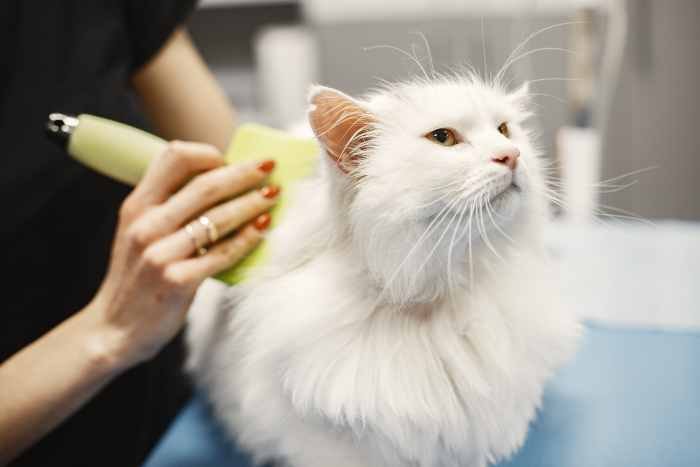
Why Do Cats and Dogs Shed More at Certain Times of Year?
If you’ve noticed your pet turning into a shedding machine in spring and again in autumn, you’re not imagining it. Most dogs and cats go through what’s called a seasonal shed — sometimes called “blowing their coat.”
During spring, pets shed their thicker winter undercoat to prepare for warmer months. In autumn, they shed their lighter summer coat to make way for denser winter fur. These two periods are typically when shedding is at its absolute worst, and your hoover will thank you for paying attention.
Indoor pets, particularly cats, can shed fairly consistently throughout the year. This is largely because artificial lighting and central heating disrupt their natural seasonal cues, keeping their bodies in something of a perpetual in-between state. Pinterest
Which Dog and Cat Breeds Shed the Most?
Not all breeds are created equal when it comes to fur. Some pets barely shed at all, while others seem to be on a mission to cover every surface in your home.
Heavy shedding dog breeds include German Shepherds, Huskies, Golden Retrievers, Labradors, Corgis, and Saint Bernards. These dogs have dense double coats built for insulation, and during seasonal sheds, the amount of fur they release can be genuinely staggering.
Heavy shedding cat breeds include Maine Coons, Norwegian Forest Cats, Persians, British Shorthairs, and Ragdolls. Despite their long, luxurious coats looking dramatic, it’s actually medium-coated cats like the British Shorthair that many owners find unexpectedly prolific shedders.
On the lower end of the shedding scale, you’ll find breeds like Poodles, Bichon Frises, and Schnauzers in dogs, and Sphynx, Cornish Rex, and Devon Rex cats. That said, “low shedding” rarely means no shedding — there’s still grooming involved.
What Can Trigger Excessive Shedding in Pets?
Seasonal changes are one thing, but sometimes shedding picks up unexpectedly and the culprit isn’t the calendar. Here are some common reasons your pet might be shedding more than usual:
Poor diet. Nutrition is one of the single biggest factors affecting coat health. A diet lacking in omega-3 fatty acids, proteins, and essential vitamins can lead to a dry, brittle coat that sheds excessively. If your pet’s food isn’t high quality, their coat is often the first place it shows.
Stress and anxiety. Just like humans can lose hair during stressful periods, pets can too. A house move, a new baby, a change in routine, or even a loud fireworks night can trigger a stress-related shed. You might notice clumps of fur coming away when you stroke your pet during these times.
Allergies. Pets can be allergic to all sorts of things — certain foods, environmental triggers like pollen, dust mites, or even certain fabrics. Allergies often show up as scratching and itching, which loosens fur and causes it to fall out in greater quantities.
Parasites. Fleas, mites, and lice can irritate the skin and cause your pet to scratch so intensely that significant amounts of fur are lost. Regular preventative treatment is essential for keeping parasites at bay.
Hormonal changes. Unneutered female cats and dogs can shed more during pregnancy or heat cycles. After giving birth, many females experience a notable increase in shedding as their hormones settle.
Underlying health conditions. In some cases, excessive shedding can point to thyroid issues, skin infections, or other medical conditions. If shedding is sudden, patchy, or accompanied by changes in behaviour, appetite, or skin appearance, it’s always worth a vet visit.
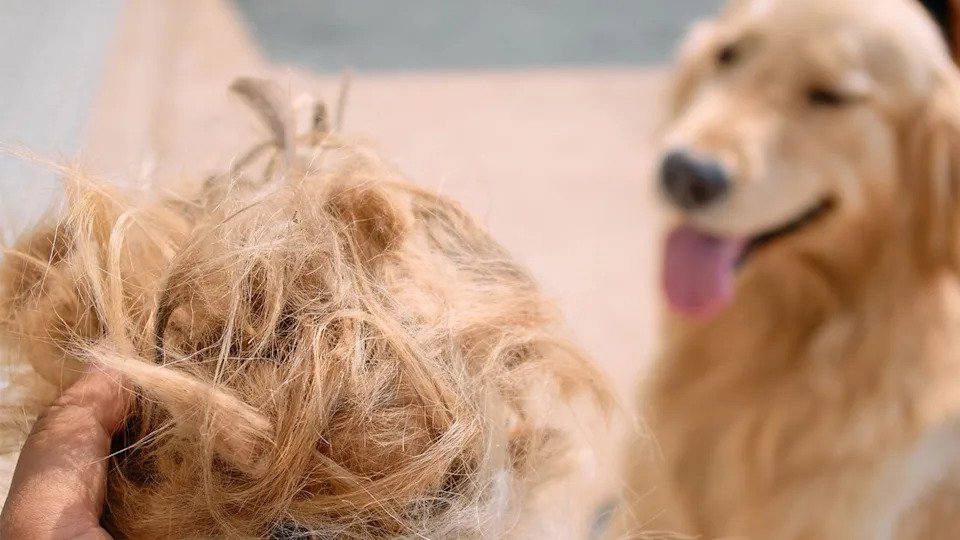
How to Reduce Pet Shedding at Home
Let’s be honest — you can’t stop shedding. But you can absolutely manage it, and with the right approach and tools, you can reduce the amount of loose fur that ends up on your furniture, clothes, and that one dark-coloured throw you regret buying.
1. Brush Your Pet Regularly
This is the single most effective thing you can do. Brushing removes loose, dead fur from your pet’s coat before it has a chance to drift around your home. It also distributes natural skin oils through the coat, keeping it healthier and reducing breakage.
How often depends on your pet’s coat type. Long-haired cats and dogs may benefit from daily brushing, especially during shedding season. Short-haired breeds can often get away with two to three times a week.
The right brush makes all the difference. A slicker brush works well for most cats and dogs with medium to long coats, while an undercoat rake or deshedding tool is ideal for double-coated breeds with a heavy undercoat. For fine or short fur, a rubber grooming glove can work brilliantly — many pets find the sensation soothing rather than intrusive, making grooming sessions something they actually enjoy.
At Mew Vora, our Electric Pet Grooming Brush is a firm favourite with UK pet owners precisely because it combines effective grooming with a gentle touch — ideal for cats and dogs who’ve historically been reluctant brushers. And our Stainless Steel Pet Hair Removal Brush is designed to pull loose fur from the undercoat efficiently, cutting down on the amount that ends up embedded in your sofa cushions.
2. Bathe Your Pet
A bath can help loosen and wash away dead fur in one go. For dogs, a monthly bath is usually sufficient, though breeds with oilier coats may benefit from slightly more frequent bathing. Always use a pet-specific shampoo — human products can strip the natural oils from their coat and make shedding worse, not better.
For cats, most don’t need regular baths and will handle their own grooming admirably. However, if you have a particularly long-haired cat or one that isn’t grooming well due to age or health, an occasional bath can help.
Always brush your pet thoroughly before bathing to remove as much loose fur as possible — bathing a heavily matted or shedding coat without brushing first can make tangles worse.
3. Review Their Diet
If you’ve noticed a correlation between a diet change and an increase in shedding, it’s worth paying attention. A coat that sheds excessively, looks dull, or feels dry is often a nutritional signal.
Look for foods that list a high-quality protein as the first ingredient, and consider adding omega-3 rich foods or a vet-approved supplement. Fish oil is commonly recommended for improving coat condition in both cats and dogs. Small changes to diet can produce genuinely visible improvements in coat quality within just a few weeks.
4. Keep Your Home on Top of It
No matter how diligently you groom your pet, some fur will make its way onto your floors and furniture. Having the right tools in your home makes a huge difference to how manageable it feels day-to-day.
A good quality pet hair hoover attachment, washable sofa covers, and regular washing of pet bedding all help keep fur under control. Speaking of bedding — if your pet spends a lot of time on a specific bed or blanket, that’s going to catch a significant portion of shed fur. Choosing a bed that’s easy to wash and shake out means fur stays contained rather than spreading.
Our Donut Dog Bed and Smart Cat Cave Bed are both designed with washability in mind — because we know that a pet bed that can’t be easily cleaned is a fur management nightmare.

When Should You See a Vet About Shedding?
Most shedding is completely normal and manageable with the tips above. But there are specific signs that suggest it’s time to get a professional opinion:
- Bald patches or noticeably thinning areas of fur
- Skin that looks red, inflamed, flaky, or irritated
- Excessive scratching, biting, or licking at the coat
- Changes in behaviour alongside increased shedding
- Shedding that seems dramatically out of season and doesn’t slow down
Your vet can rule out medical causes and put your mind at rest. It’s always better to check than to assume.
Final Thoughts
Pet shedding is one of the most universal challenges of being a dog or cat owner in the UK. But with the right grooming routine, a decent diet, and a few clever tools, it genuinely doesn’t have to dominate your life — or your wardrobe.
The key is consistency. A few minutes of brushing several times a week, combined with regular home cleaning, can transform how manageable your pet’s shedding feels. And when you find grooming products your pet actually tolerates — or even enjoys — it becomes part of your routine rather than a chore.
At Mew Vora, we stock a carefully chosen range of grooming tools, beds, and pet essentials designed to make life with your cat or dog a little easier and a lot more enjoyable. Explore our full range at mewvora.com — with free UK delivery on all orders, keeping your pet looking and feeling their best has never been simpler.
Got a question about grooming or managing shedding at home? Get in touch with the Mew Vora team at info@mewvora.com — we’re always happy to help.