

If your dog curls up into a little ball every time they sleep, chances are you’ve already thought about getting them a donut dog bed. And if you haven’t — after reading this, you will.
Donut dog bed have exploded in popularity across the UK over the last few years, and for good reason. They’re not just cute (though they absolutely are). They’re genuinely designed around how dogs naturally sleep, and the right one can make a real difference — especially for anxious, cold-sensitive, or elderly dogs.
But with dozens of options on the market, it’s easy to waste money on a flat, flimsy bed that your dog ignores after a week. This guide covers everything: why dogs love them, how to choose the right size, what to look for in terms of quality, and which types work best for different dogs. By the end, you’ll know exactly what to buy — and what to avoid.
What Is a Donut Dog Bed?
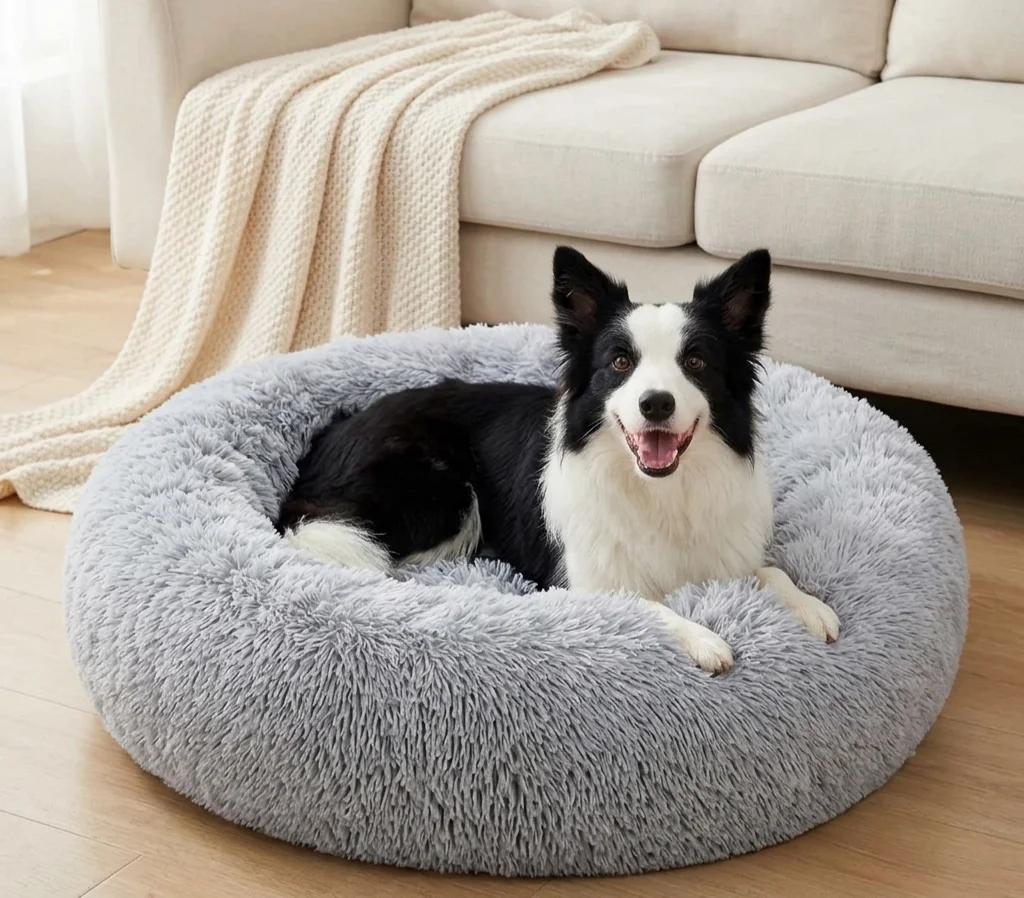
A donut dog bed — sometimes called a calming dog bed or round bolster bed — is a circular, cushioned bed with raised edges all the way around. The shape creates a nest-like space in the centre where your dog can curl up, rest their head on the rim, and feel completely surrounded.
The design isn’t just an aesthetic choice. It’s built around one of the most common dog sleeping positions: the curl. You know the one — nose tucked near the tail, paws drawn in, the whole body folded into a neat little ball. That’s the “donut position,” and it’s incredibly natural for dogs.
Why Do Dogs Love Sleeping in a Donut Position?
Before you can understand why donut beds are so popular, it helps to understand why dogs curl up in the first place.
According to veterinary professionals, around 60% of dogs regularly sleep curled up. It’s a behaviour rooted deep in their ancestry. Wild canines — wolves, foxes, wild dogs — would sleep curled up to protect their vital organs, conserve body heat, and stay ready to spring up at the first sign of danger. Thousands of years of domestication haven’t changed this wiring much.
When your Cockapoo or Labrador tucks themselves into a ball on the sofa, they’re doing exactly what their ancestors did. And a donut bed is essentially designed to support and celebrate that instinct.
The raised rim provides:
- Head and neck support — so they can rest their chin on the edge rather than on the hard floor
- A sense of enclosure — mimicking the feeling of a den or burrow, which is naturally calming
- Warmth retention — the circular walls trap body heat, which is especially welcome in UK winters
- Security — being “surrounded” on all sides triggers the parasympathetic nervous system, the body’s “rest and digest” mode
This is why donut beds are often marketed as calming beds. The design itself has a genuinely soothing effect on many dogs, particularly those with anxiety.fb page
Are Donut Dog Bed Good for Anxious Dogs?
The short answer is yes — often very much so. But it’s worth understanding why, rather than just taking the marketing at face value.
A study from the University of Helsinki found that nearly three-quarters of the 13,700 dogs surveyed showed signs of anxiety-related behaviour. That’s a staggering number, and it explains why calming products — including donut beds — have become such a big part of the UK pet market.
The way a donut bed helps is mostly about instinct. The raised rim creates an enclosed space that mimics a den or a nest. Dogs are den animals. In the wild, a sheltered space meant safety. When your dog settles into a donut bed and feels walls around them on all sides, that ancient part of their brain registers it as safe.
The soft, plush faux fur used in most donut beds adds another layer — it mimics the warmth and texture of another body, which can help dogs that struggle with separation anxiety feel less alone.
It’s important to be realistic, though. A donut bed won’t cure anxiety on its own. Dogs with significant anxiety often need a combination of training, routine, environmental changes, and sometimes veterinary support. But as part of that picture, a well-made donut bed can absolutely help a dog settle faster and sleep more soundly.
Donut beds tend to work particularly well for:
- Rescue dogs adjusting to a new home
- Dogs with separation anxiety
- Puppies leaving their litter for the first time
- Cold-sensitive breeds (Whippets, Greyhounds, Chihuahuas)
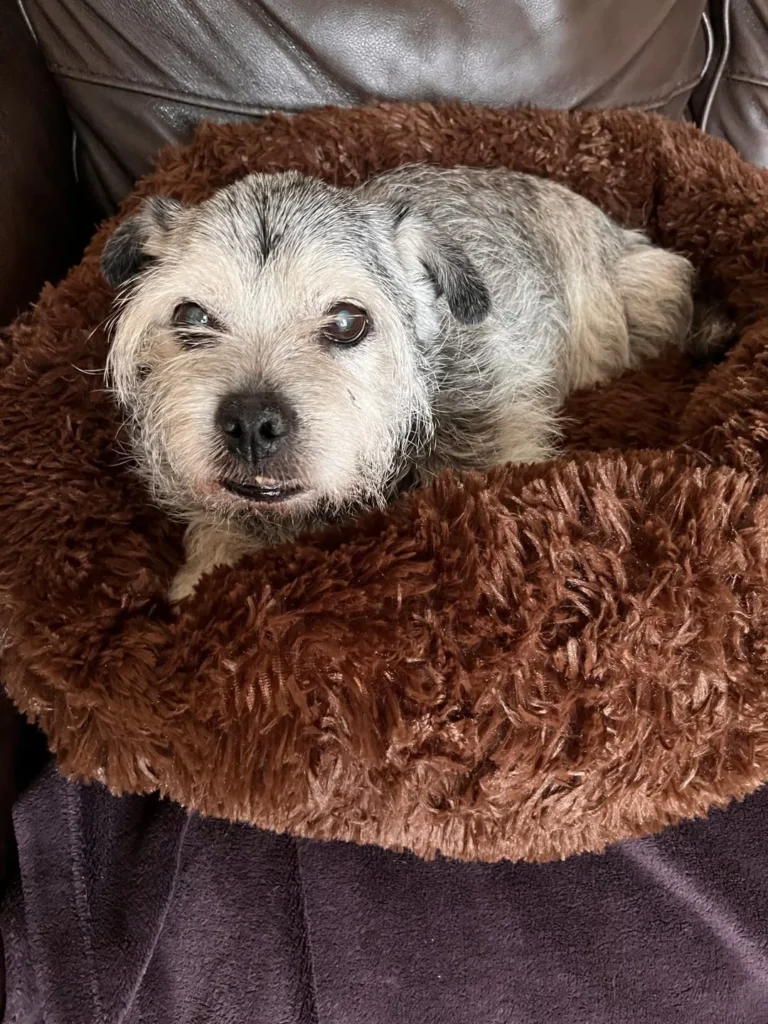
- Senior dogs who want comfort and warmth
- Dogs that naturally sleep curled up
How to Choose the Right Size Donut Dog Bed
This is where a lot of people go wrong, and it’s the single most important decision you’ll make. A donut bed that’s too small is uncomfortable and useless. A donut bed that’s too large loses the snug, enclosed feeling that makes them effective in the first place.
Here’s how to measure your dog:
- Ask your dog to stand still (good luck with puppies).
- Measure from the tip of their nose to the base of their tail.
- Add 15–20 cm to that measurement.
- That’s the minimum internal diameter you want for your donut bed.
As a rough UK guide by breed size:
| Dog Size | Examples | Recommended Bed Diameter |
|---|---|---|
| Small | Chihuahua, Yorkshire Terrier, Toy Poodle | 50–55 cm |
| Medium | French Bulldog, Spaniel, Whippet | 60–70 cm |
| Large | Labrador, Border Collie, Staffie | 80–90 cm |
| Extra Large | German Shepherd, Golden Retriever, Husky | 100 cm+ |
A few extra tips:
- If you’re buying for a puppy, size up for where they’ll be as an adult, not where they are now
- If your dog is between sizes, always go bigger — you can add a blanket to fill extra space, but you can’t make a bed larger
- Measure your dog curled up, not stretched out — that’s the position they’ll actually be using
What to Look for When Buying a Donut Dog Bed in the UK
Not all donut beds are created equal. The market is full of cheap imports that look great in photos but arrive flat, lose their shape within weeks, and smell odd. Here’s what actually matters:
1. Filling Quality
The filling is everything. Cheap hollow fibre goes flat fast. Look for beds that specifically mention high-loft or high-density polyester filling, or hollowfibre that’s designed to bounce back. Some premium options use memory foam bases with a plush top layer — great for older dogs with joint issues.
2. Faux Fur Material
Most donut beds use faux fur for the inner lining, and the quality varies enormously. Good faux fur feels genuinely soft, holds its texture after washing, and doesn’t shed. Cheaper versions pill, flatten, and can start to smell quickly. If possible, read reviews specifically about how the bed holds up after a few washes.
3. Removable, Machine-Washable Cover
This is non-negotiable for UK dog owners. Dogs get muddy. They smell. They moult. A donut bed without a removable, machine-washable cover is going to be a nightmare to keep clean. Look for covers that wash at 30°C and ideally can be tumble-dried — it means you can have it back in action the same day.
4. Non-Slip Base
A donut bed that slides around on a hard floor is annoying for you and potentially frightening for your dog. Most decent beds come with a non-slip rubberised base — check that this is listed before buying, especially if you have laminate or tiled floors.
5. Rim Height
The whole point of a donut dog bed is that raised edge. A rim that’s too low doesn’t provide the head support or sense of security your dog needs. Look for a rim of at least 10–15 cm for small dogs, and up to 20 cm for larger breeds. Read reviews — people are usually very honest about whether the sides hold their shape or collapse after a few weeks.
Donut Dog Bed vs Other Types: Which Is Right for Your Dog?
Donut beds aren’t the right fit for every dog. Here’s a quick breakdown to help you decide:
Choose a donut bed if your dog:
- Sleeps curled up most of the time
- Is anxious, nervous, or easily startled
- Feels the cold (common in short-coated or small breeds)
- Is a puppy or a rescue settling in
- Is a small to medium breed
Consider a different bed if your dog:
- Is a sprawler — they stretch out flat and won’t benefit from the raised rim
- Is a very large breed — some giant dogs find the enclosed feeling restricting rather than comforting
- Has severe mobility issues — getting in and out of a high-rimmed bed can be difficult for some elderly dogs, who might do better with a flat orthopaedic mattress with a low entry point
- Loves to chew — many donut beds aren’t built to withstand determined chewing; look for a “tough” or “chew-resistant” version if this is your dog
How to Wash and Care for a Donut Dog Bed
Keeping a donut dog bed clean is simple as long as you bought one with a removable cover. Most UK donut beds wash at 30°C on a gentle cycle. A few quick tips:

- Wash the cover every 1–2 weeks, more often if your dog is muddy or moulting heavily
- Shake and fluff the inner cushion regularly — it helps maintain the loft
- Air dry where possible; if the label allows tumble drying, use a low heat
- Between washes, a lint roller or rubber glove is great for lifting dog hair off the surface
- If the inner cushion gets dirty, most can be spot cleaned with a pet-safe disinfectant spray
Common Questions About Donut Dog Beds
Can cats use donut dog beds too? Absolutely. Cats are often even more drawn to the enclosed, nest-like shape than dogs. If you have both, don’t be surprised if the cat claims the bed first.
How long should a donut dog bed last? A good quality donut dog bed should last 1–3 years with regular washing. Budget beds often flatten within a few months. It’s usually worth spending slightly more upfront to avoid replacing it every few months.
My dog ignores their new donut dog bed. What do I do? This is common. Try placing the bed in a spot where your dog already likes to rest. Put a worn item of your clothing inside — your scent is incredibly reassuring for dogs. You can also feed them treats near the bed to build positive associations. Most dogs come around within a week or two.
Are donut dog beds suitable for crates? Many are, though you’ll need to check the diameter fits your crate. Round donut beds can sometimes leave gaps at the corners of a rectangular crate — half-moon or semi-circular versions are designed specifically for crates and tend to fit better.
Final Thoughts
A donut dog bed isn’t just a trend. It’s a bed design that genuinely works with your dog’s natural instincts — supporting how they sleep, helping them feel secure, and keeping them warm in a country that’s cold for a good chunk of the year.
The key is getting the right size and not skimping on quality. A well-made donut bed with a plush inner, decent filling, and a washable cover will earn its price back quickly — in better sleep for your dog, and fewer mornings finding them on your sofa.
If your dog is a curler, an anxious soul, a cold little whippet, or a rescue still finding their feet — a donut dog bed is probably one of the best things you can buy them.Donut Dog Bed, Fluffy Plush Round Cat Bed
Looking for more advice on dog bedding and accessories? Browse our full guide to dog beds UK or get in touch with our team for personalised recommendations.