

We all love a lazy Sunday with our dogs curled up in their bed beside us. But when your pup seems permanently switched off — or worse, is chewing through your furniture — boredom could be the culprit.
Dogs are intelligent, social animals. Without enough mental and physical stimulation, they can become restless, destructive, or even depressed. The good news? Spotting the signs early means you can fix things quickly — and your dog will love you for it.
Here are five tell-tale signs my dog is bored (and yours might be too), plus what you can do about each one.
1. Destructive Behaviour (Chewing, Digging, Scratching)
If you’ve come home to a shredded cushion or a dug-up garden, your first instinct might be frustration — but your dog is simply trying to entertain themselves.
Chewing is one of the most common outlets for a bored dog. It relieves stress, keeps their jaw busy, and gives them something to focus on. Without appropriate outlets, they’ll find their own — usually your favourite shoes.
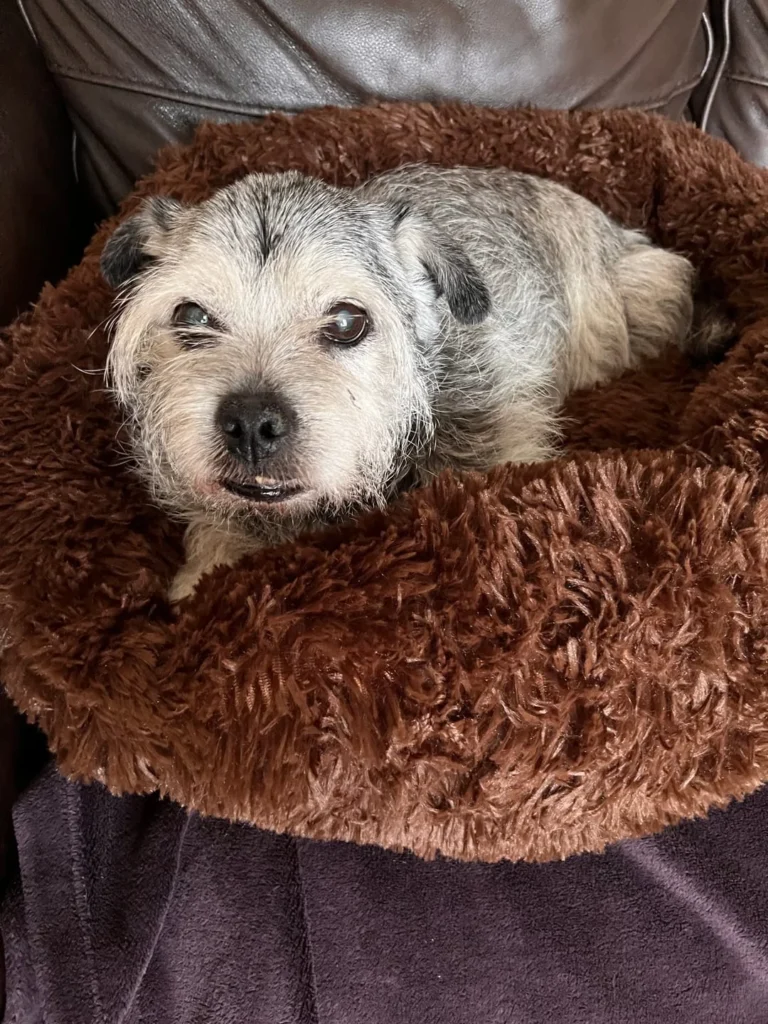
What to do: Rotate chew toys regularly so they feel “new.” Puzzle feeders and treat-dispensing toys are brilliant for keeping dogs mentally occupied while you’re out. Equally important is giving your dog a dedicated, comfortable dog bed — a space that’s truly theirs. Dogs with a defined rest spot are far less likely to roam and destroy, because they have somewhere to go when they need to wind down. Our Donut Dog Bed is a customer favourite for exactly this reason.
2. Excessive Barking or Whining
Does your dog bark at nothing? Whine throughout the day? While barking can signal many things — anxiety, alertness, or pain — persistent, unprovoked vocalisation is often a sign of understimulation.
A bored dog is a vocal dog. They’re essentially telling you: “I need something to do.”
What to do: Make sure your dog is getting enough exercise for their breed and age. After physical activity, follow up with mental enrichment — sniff games, training sessions, or interactive toys. A tired, stimulated dog is a quiet dog.
3. Following You Everywhere (Velcro Dog Syndrome)
Some dogs become your shadow when they’re bored — constantly underfoot, nudging your hand for attention, unable to settle independently.
While it’s flattering to be your dog’s favourite person, this kind of clinginess often signals that they need more independent enrichment in their daily routine.
What to do: Introduce activities your dog can enjoy solo. Kong-stuffed treats, lick mats, or a cosy cave bed they associate with calm, positive rest time can all encourage independence. A bed like our CozyPaws Husky Cave Pet Bed is ideal here — the enclosed design gives dogs a den-like feeling of security, which naturally encourages them to settle on their own. Teaching a “place” command — where your dog goes to their bed on cue — is also incredibly effective.
4. Overeating or Obsessing Over Food
If your dog is suddenly obsessed with their food bowl, begging constantly, or scavenging more than usual, boredom could be driving it. Just like humans reach for snacks when they have nothing to do, dogs do the same.
What to do: Ditch the bowl for a meal and use the same food in a snuffle mat or scatter feed across the garden instead. This turns mealtime into a 15-minute enrichment activity. It engages their nose — one of the most powerful boredom-busting tools available.
5. Low Energy and Disinterest (Yes, Even Lethargy Can Mean Boredom)
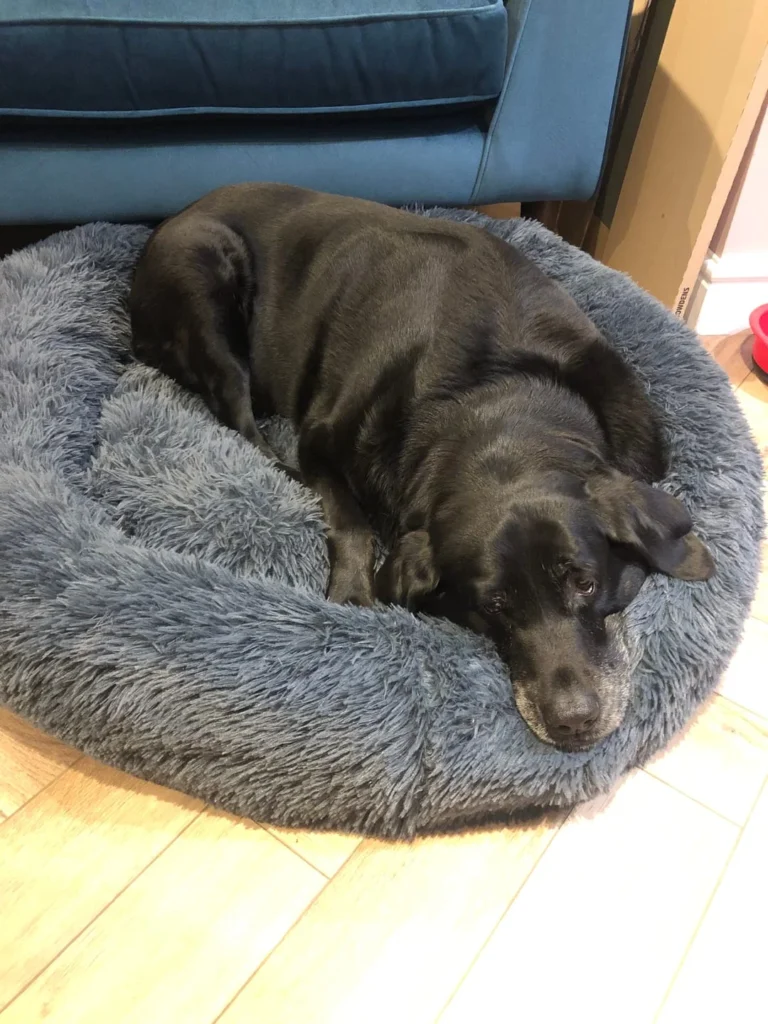
It might seem counterintuitive, but a bored dog doesn’t always bounce off the walls. Some dogs respond to under-stimulation by becoming flat, disengaged, and uninterested in things they used to enjoy — like walks, toys, or play.
If your dog seems “meh” about life lately and there’s no health reason behind it, their routine may simply need a shake-up.
What to do: Introduce novelty. A new walking route, a new toy, a playdate with another dog, or even a new bed with a different texture can all spark a dog’s interest again. Sometimes the smallest change — like upgrading from a flat mat to a plush donut bed — makes the biggest difference to how settled and content your dog feels day to day. Fb page
Why the Right Dog Bed Reduces Boredom
It might not be the first thing you think of, but your dog’s bed plays a bigger role in their behaviour than most owners realise.
A dog that doesn’t have a comfortable, safe space to truly rest won’t recover properly between activities — and an under-rested dog is far more likely to act out, become clingy, or seem restless and bored even after a walk.
A well-chosen bed gives your dog:
- A defined “calm zone” they can retreat to independently
- Better quality sleep, which directly affects mood and behaviour
- A sense of ownership and security — especially important for anxious or bored dogs
At Mew Vora, our dog beds are designed with exactly this in mind. The Donut Dog Bed suits dogs who love to curl up, while the CozyPaws Husky Cave Bed is perfect for dogs who crave that enclosed, den-like feeling. Both are available with free UK delivery.
How Much Stimulation Does Your Dog Actually Need?
This varies a lot by breed, age, and temperament — but as a rough guide:
- High-energy breeds (Border Collies, Spaniels, Huskies): 2+ hours of exercise daily, plus significant mental enrichment
- Medium-energy breeds (Labradors, Bulldogs, Boxers): 1–2 hours of activity, with regular play and training
- Low-energy breeds (Basset Hounds, Shih Tzus, Pugs): 30–60 minutes, but still benefit from mental stimulation
Age matters too. Puppies and adolescent dogs need more enrichment, not less — despite what their energy levels might already suggest.
Quick Wins to Beat Dog Boredom Today
- 🐾 Rotate toys — put some away and bring them back out after a week; they feel brand new
- 🐾 Try scatter feeding — hide kibble in the garden or across a snuffle mat
- 🐾 Teach a new trick — even 5 minutes of training tires a dog out mentally
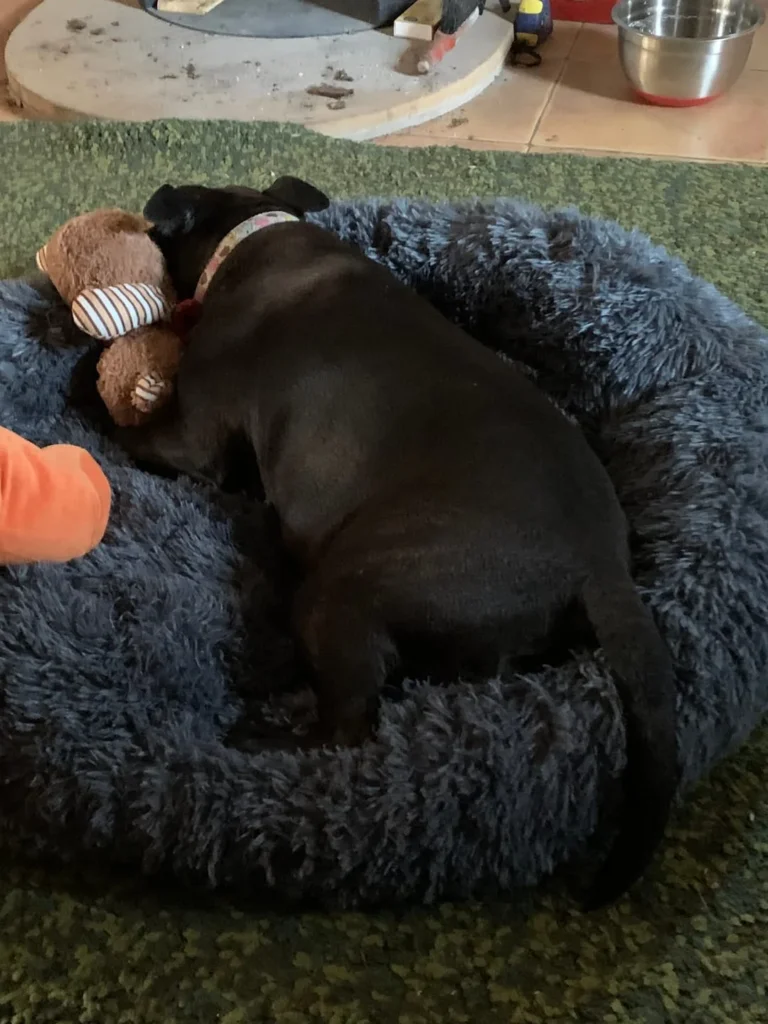
- 🐾 Upgrade their rest space — a well-designed, cosy bed encourages proper rest and calmer behaviour
- 🐾 Use a grooming session as bonding time — dogs that are regularly groomed tend to be calmer and more settled
The Bottom Line
A bored dog isn’t a bad dog — they’re just a dog without enough to do. By recognising the signs early and adding a bit more variety to their daily routine, you’ll have a happier, calmer, and healthier companion.
At Mew Vora, we stock toys, beds, and grooming essentials designed to keep UK cats and dogs stimulated, comfortable, and loved. Browse our range at mewvora.com and find everything your pup needs to thrive.
Have you spotted any of these signs in your dog? Let us know in the comments below — we’d love to hear how you keep your pup entertained!