

Ten minutes in, your cat’s tail is flicking, your dog’s pulled away twice, and the brush is still only halfway down one side. Most bad home grooming sessions don’t fail because of the wrong tool — they fail because of timing and pace. Rushing is the single biggest mistake behind grooming sessions that end in scratches, hiding pets, or a bathroom floor covered in fur and nothing actually accomplished.
These home grooming tips fix that, starting with the pace of the session itself, not just what’s in your hand while you do it.
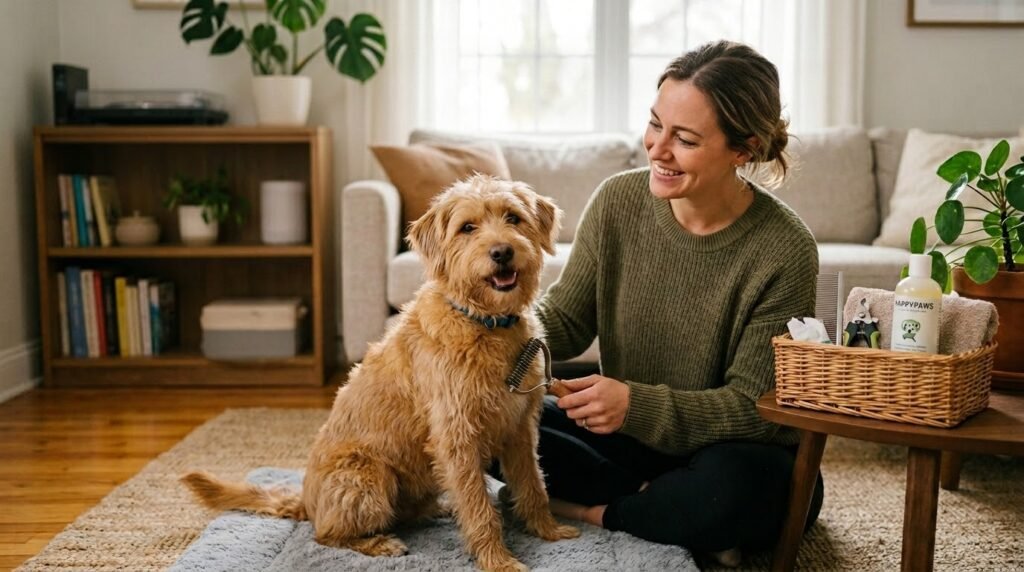
Why Home Grooming Tips Actually Matter
Regular grooming isn’t just about a tidy-looking coat. It reduces shedding around the house, catches mats and skin issues early, and — done right — becomes something your pet actually tolerates or even enjoys, rather than dreads. It’s also a genuine cost saver: a proper set of home grooming tips can replace a fair number of professional grooming visits over a year, especially for pets with short to medium coats.Pin
Home Grooming Tips for Brushing
How often you brush depends entirely on coat type:
- Short-haired pets — once or twice a week is usually enough to control shedding
- Long-haired or double-coated pets — every other day, especially during shedding season, to stay ahead of matting
- Curly or wool-type coats — every few days with a comb to prevent tangles from setting into mats
Whatever the schedule, the most useful of all home grooming tips is this: brush in the direction of hair growth first to remove surface debris, then go against it briefly to lift loose undercoat — never the reverse order, which just drags tangles tighter.
The Right Tools Make All the Difference
Not every tool suits every coat, which is why we sell more than one type of grooming tool rather than a single one-size-fits-all option:
- Grooming gloves (like our Electrostatic Pet Hair Removal Glove and our 2 Pcs Pet Grooming Gloves for Dogs and Cats) are the gentlest starting point — ideal for nervous pets or anyone new to grooming, since it feels like petting rather than brushing
- A stainless steel hair removal brush works best on thicker coats and heavier shedders, lifting loose undercoat that a glove alone can’t reach
- An electric grooming brush speeds up maintenance sessions on pets who already tolerate grooming well, covering more coat in less time
You can browse all of these on our products page — matching the tool to the coat is one of the most overlooked home grooming tips there is, and it’s usually the difference between a pet who sits still and one who doesn’t.
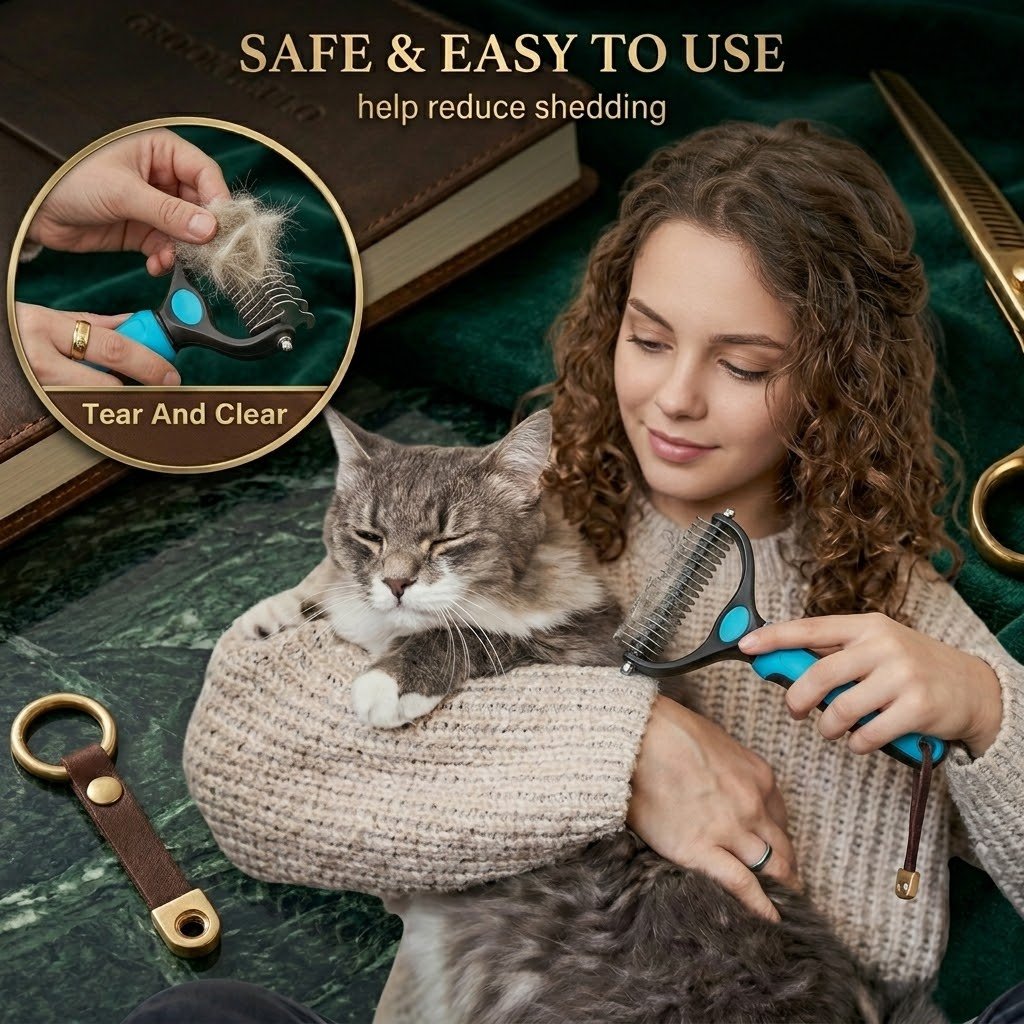
Home Grooming Tips for Nervous or First-Time Pets
- Let them sniff the tool first, before it touches their coat
- Keep the first few sessions under five minutes — short and positive beats long and stressful every time
- Reward calm behaviour, not just the finished result
- Stop before they get restless, not after — ending on a good note matters more than finishing the whole coat in one sitting
Common Home Grooming Mistakes to Avoid
- Rushing the session to get it over with, which is the single biggest cause of a pet who dreads grooming
- Using the wrong tool for the coat type — a stiff brush on a nervous short-haired cat, or a soft glove that can’t get through a thick double coat
- Skipping paws, ears, and belly because they’re harder to reach, which just means matting builds up unnoticed
- Only grooming when shedding is already a visible problem, instead of on a regular schedule
FAQs
How often should I groom my pet at home? Short-haired pets need brushing once or twice weekly; long-haired and double-coated pets benefit from every other day, especially during shedding season.
What’s the easiest tool to start with for a nervous pet? A grooming glove is usually the gentlest entry point — it feels like a hand stroking rather than a brush, which most pets accept far more readily.
How long should a home grooming session last? Five to ten minutes is plenty for most maintenance sessions. Longer isn’t better if your pet becomes restless or stressed partway through.
Can I use the same tools on both my cat and dog? Gloves generally work well across both. Brushes are more coat-dependent than species-dependent, so match the tool to coat type and thickness rather than which pet it’s for.
Good home grooming tips come down to two things: the right tool for your pet’s coat, and the patience to keep sessions short and calm rather than rushed. Browse our grooming gloves and brushes on the Mewvora products page, with worldwide delivery on every order.