
Open the bin under your kitchen sink after a normal week with a pet in the house and you’ll probably find a few knotted poop bags, a peeled-off sticky roller sheet or two, maybe a wrapper from a disposable grooming wipe, and the box a cheap toy came in before it fell apart four days later. None of that feels dramatic. It’s just normal pet ownership. But most of it is plastic that isn’t going anywhere for a very long time.Eco Friendly Pet Products.
“Eco-friendly” gets stamped on a lot of pet products lately, and not all of it means much. A green label and a leaf icon on the packaging doesn’t actually tell you whether something reduces waste — sometimes it just means someone in marketing picked a nice colour palette. This guide skips the buzzwords and focuses on what genuinely makes a difference: where pet waste actually comes from, what to swap first, and a few honest examples — including a couple of things we sell ourselves — of products built to be reused rather than thrown away.
What “Eco-Friendly” Should Actually Mean
Before swapping anything, it helps to know what you’re actually looking for. A pet product earns the label “eco-friendly” for one or more of these reasons — not just because the packaging says so:
- It’s reusable, not disposable. A tool you use for years beats one you rebuy every month, even if it costs more upfront.
- It’s genuinely durable. A cheap toy or bed that falls apart in weeks and gets replaced three times a year creates more waste than one solid product that lasts.
- The materials are honestly disclosed. Stainless steel, untreated wood, natural fibres — these are things you can actually check. Vague terms like “eco-conscious” or “planet-friendly” with no material info attached usually can’t be verified at all.
- Packaging is minimal. Look at how the product actually arrives, not just how it’s marketed.pin
If a listing can’t tell you what something is made from or how long it’s meant to last, treat the “eco-friendly” label as decoration.
Where Most Pet Waste Actually Comes From
Not all pet products are equally wasteful. A few categories do most of the damage:
Disposable grooming products. Sticky lint-roller refills, single-use grooming wipes, and cheap plastic brushes that crack after a few months are some of the most avoidable waste in a pet owner’s routine — because reusable alternatives already exist for almost all of them, and tend to work just as well or better.
Low-quality toys. A toy that survives one chewing session isn’t cheap — it’s expensive, because you’ll buy three more of it. Durable toys cost more per item and less over a year.
Poop bags. Unavoidable for dog owners, but the material varies a lot. Compostable and plant-based bags exist and are worth the small price difference — though it’s worth checking whether your local waste system can actually process them, rather than assuming it can.
Overpackaged online orders. This one’s on retailers, not pet owners, but it’s a fair thing to factor into where you choose to shop.
Reusable Grooming Tools: The Easiest Swap to Make
Grooming is where the disposable-versus-reusable gap is widest, and also the easiest place to start, because the reusable versions genuinely work better once you’re used to them.
A stainless steel pet hair removal brush replaces the sticky-roller sheets most people go through by the roll — steel doesn’t wear out, doesn’t need refills, and wipes clean for years of use. Ours runs £24.99–£29.99, which sounds like more than a pack of roller refills until you count how many packs you’d otherwise buy in a year.
The same logic applies to reusable pet grooming gloves (£19.99 for a pair), which do the job of a dozen disposable wipes over and over, and an electrostatic hair-removal glove (£21.99) that lifts loose fur off sofas and clothing without a single sheet of anything involved. None of these need batteries, refills, or replacing every few weeks — which is really the whole eco-friendly case for grooming tools: fewer things thrown away, not a green logo on the box.
Beds and Toys: Durability Is the Real Sustainability Metric
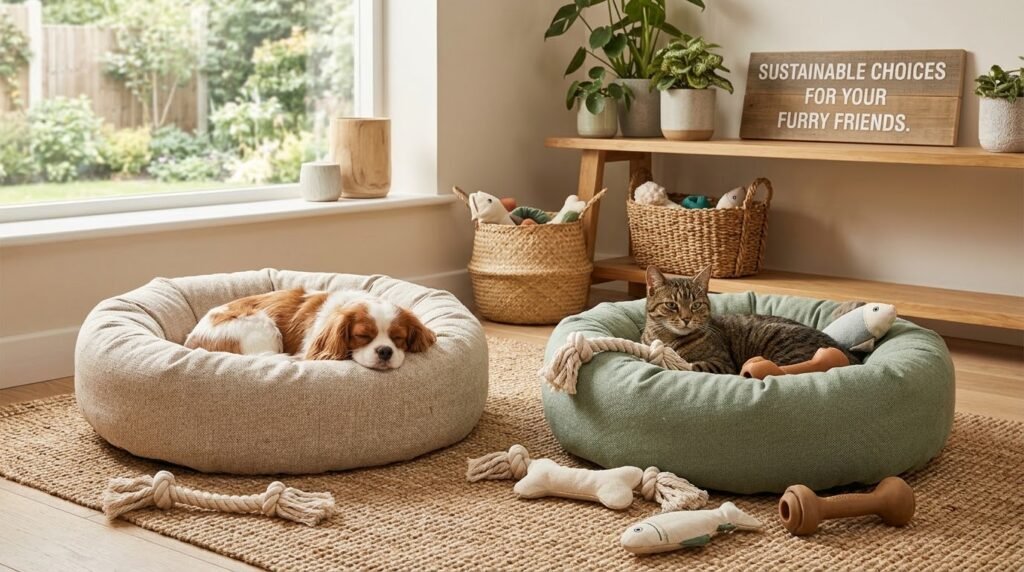
For beds and toys, “eco-friendly” is less about exotic materials and more about whether the thing survives actual contact with a pet. A well-made, properly stitched bed that holds up for two or three years does more for the planet than a cheap one you replace every few months — even if the cheap one technically uses “recycled” filling somewhere in its supply chain. Our donut dog and cat bed is built with that in mind: made for daily use rather than a single season. When you’re comparing beds or toys anywhere, ask about construction and stitching before you ask about the label.
Questions Worth Asking Before You Buy Anything Labelled “Eco”
- Is this something I’ll use once, or reuse for years?
- Can the seller actually tell me what it’s made of?
- Would I still buy this if it didn’t have the word “eco” printed on it?
- Am I buying this because it’s genuinely better, or because the packaging is green?
If a product only holds up under the first two questions, it’s probably still a solid purchase — reusable and durable count for a lot, even without a sustainability badge attached.
FAQ
Are eco-friendly pet products more expensive? Sometimes, upfront. A reusable grooming brush costs more than a single roll of sticky sheets. But priced per year of actual use, reusable tools usually come out cheaper, not more expensive.
What’s the single most wasteful pet product? Disposable grooming wipes and sticky roller refills, simply because they’re used constantly and binned immediately after each use.
Can pet toys be recycled? Rarely, through standard household recycling — most combine rubber, plastic, and fabric in ways local recycling systems can’t separate. That’s exactly why durability matters more than any recycling symbol on the packaging.
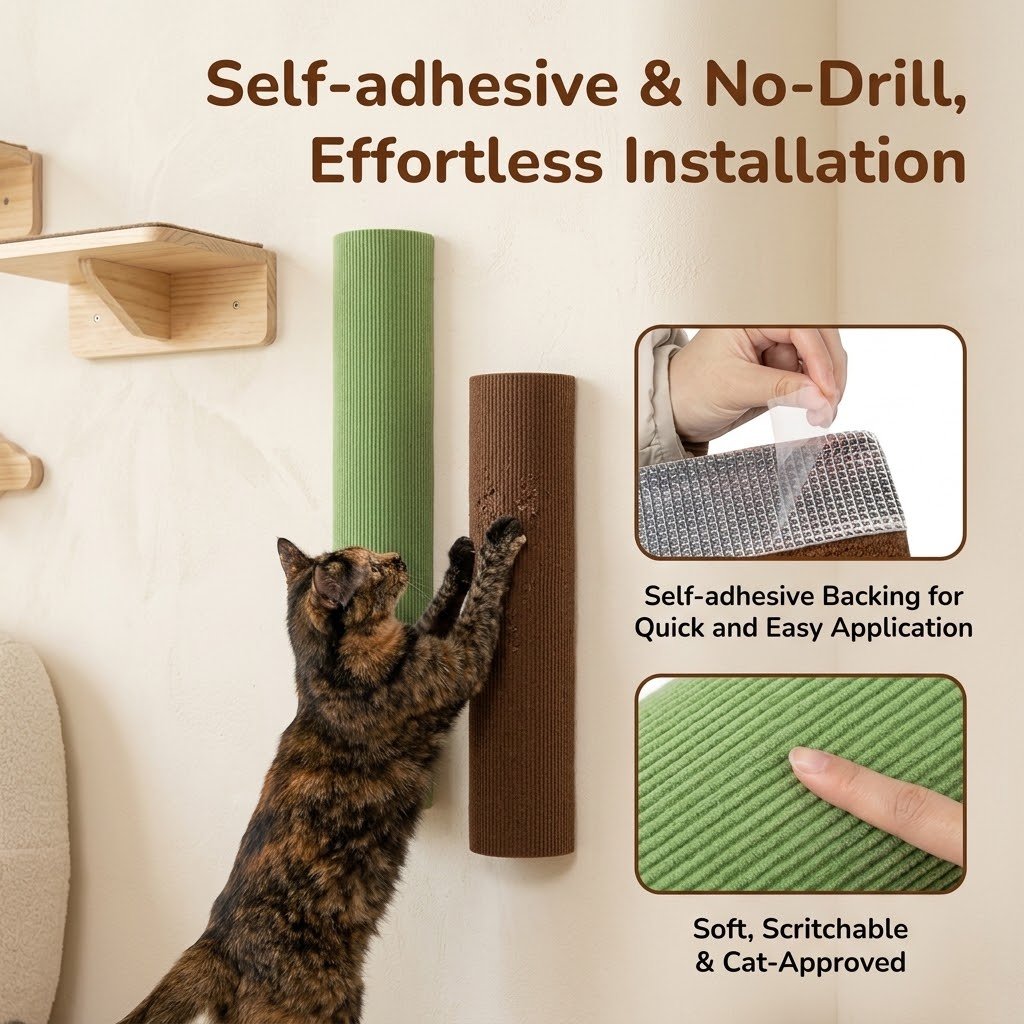
Do eco-friendly options exist for cats too, not just dogs? Yes. Reusable grooming tools, well-made scratchers, and durable beds apply just as much to cats. “Reusable over disposable” isn’t a dog-specific rule.
Is a more expensive pet bed automatically more eco-friendly? Not automatically — price alone isn’t a sustainability signal. What matters is construction quality and whether it’s likely to last, which you can usually tell from stitching, fabric weight, and fill material rather than the price tag.
Shop the Swaps
Every product mentioned above is available at Mewvora, priced in GBP and shipped direct from our UK store — no currency-conversion guesswork, no surprise fees at checkout, wherever in the world you’re ordering from.