

Everything you actually need to know about adopting a rescue dog — from the first car ride home to the first calm night’s sleep.
Every year, millions of dogs sit in shelters around the world waiting for someone to choose them. Some are strays, some were surrendered through no fault of their own, and a lot of them are adults rather than puppies — which, honestly, tends to make them easier to bring home than people expect, since many already know basic manners and just need patience while they settle in. If you’re thinking about adopting a rescue dog, you’re not just getting a pet. You’re giving a second chance to an animal who’s had a harder start than most.
This guide walks through what adopting a rescue dog actually involves — before you bring them home, what the first few weeks really look like, and the handful of things that make the transition smoother for both of you.
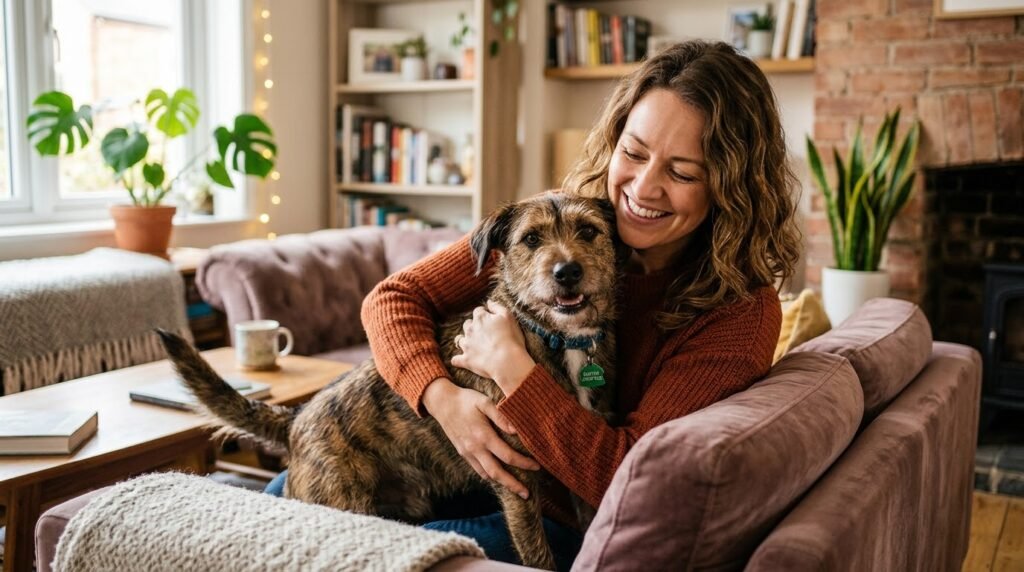
Why Adopting a Rescue Dog Is Worth Considering
There’s a common myth that shelter dogs come with “baggage” — behavioural issues, trust problems, unpredictability. In reality, most dogs end up in shelters for reasons that have nothing to do with them: a move, a change in family circumstances, an owner who could no longer afford care. Adults, in particular, are often already house-trained and past the destructive puppy phase, which makes adopting a rescue dog a genuinely practical choice, not just a sentimental one.Pin
There’s also the simple fact that adopting a rescue dog means one more dog gets a home, at a time when shelters everywhere are stretched thin. That’s not meant as a guilt trip — it’s just a nice bonus on top of getting a great dog.
Before You Bring Them Home: Getting Ready for Adopting a Rescue Dog
Preparation matters more with a rescue than it does with a puppy from a breeder, simply because you’re welcoming a dog who’s already been through at least one major upheaval. A calm, ready home makes the first few days significantly less stressful for everyone.
A few essentials worth having sorted before adoption day:
- A dedicated sleeping spot. Rescue dogs settle faster when they have one consistent, comfortable place that’s theirs from day one. Our Donut Dog Bed, Fluffy Plush Round Cat Bed works well here — the raised, bolstered sides give anxious dogs something to curl into, which naturally has a calming effect compared to a flat mat.
- A crate or a quiet, closed-off space, even if you don’t plan to crate-train long term. Somewhere to retreat to helps a lot in the first week.
- Basic supplies — food and water bowls, a collar with ID, a leash, and something to occupy them when they’re left alone.
- A vet appointment booked for within the first week, so you’ve got a baseline health check and can flag anything the shelter didn’t catch.
Getting these sorted in advance means adopting a rescue dog doesn’t turn into a scramble on the day itself, when your attention should really be on the dog, not on running to the shop for bowls.
The First Few Weeks: What Adopting a Rescue Dog Actually Feels Like
This is the part people are usually least prepared for. A lot of rescue organisations describe it as the “3-3-3 rule” — roughly 3 days to decompress and start feeling less overwhelmed, 3 weeks to learn the household routine, and 3 months to really settle in and show their full personality. It’s a rough guide rather than a strict rule, but it’s a useful reset for expectations. A dog who seems shut down or wary in week one is not necessarily a dog with permanent behavioural issues — often they’re just a dog who hasn’t decided yet whether this new place is safe.
A few things that genuinely help during this stretch:
- Keep the first few days low-key. Skip the big introductions to every friend and relative. Let them decompress before they meet the world.
- Build trust through routine, not through forcing affection. Consistent feeding times, walk times, and bedtime routines do more than constant cuddling.
- Grooming can double as bonding time, but ease into it. A 2 Pcs Pet Grooming Gloves for Dogs and Cats set is a gentle way to start — it feels like a hand petting them rather than a brush, which matters a lot for a dog who’s still learning to trust being touched. Once they’re comfortable, an Electric Pet Grooming Brush or a Stainless Steel Pet Hair Removal Brush can take over for regular coat care.
- Expect some regression before progress. A dog who seemed fine on day 4 might have a wobble on day 10. That’s normal, not a step backward in any lasting sense.
Patience during this window is really the whole job. Most of the “problems” people worry about when adopting a rescue dog resolve on their own once the dog figures out the new routine isn’t going anywhere.
A Few Practical Tips for the First Month
- Keep a consistent daily schedule — dogs, especially anxious ones, find predictability reassuring.
- Don’t overcorrect early mistakes; redirect instead of punishing, especially in the first few weeks.
- Introduce new people, pets, and environments gradually rather than all at once.
- Give them a “safe spot” — their bed, a crate, a corner — that’s always theirs and never used for anything negative.
- Track anything odd (appetite, energy, toileting) for that first vet visit, since shelters don’t always have a full history.
Final Thoughts
Adopting a rescue dog isn’t always a smooth, movie-style moment where everything clicks instantly — sometimes it is, but more often it’s a slower build of trust that pays off over weeks and months. Go in with realistic expectations, a comfortable space ready for them, and a bit of patience, and you’ll usually find the “problem” dog everyone warned you about is really just a dog who needed a chance to feel safe. Mew Vora ships worldwide, so wherever you’re bringing your new rescue home to, the essentials — bed, grooming tools, and everything else on the checklist — can be waiting for them when they arrive.
Shop dog beds and grooming essentials at mewvora.com/products — quality cat and dog essentials, delivered worldwide.