

Cats have a reputation for being fiercely independent — but separation anxiety in cats is real, more common than most owners realise, and easy to miss until it’s been going on for a while.
There’s a long-standing myth that cats don’t really need anyone — that they’ll be perfectly content whether you’re home or not. In reality, separation anxiety in cats is a genuinely recognised issue, and it’s often missed precisely because owners assume cats are too independent to struggle with being alone. The signs also tend to be quieter and less obvious than a dog scratching at the door, which means it can go unnoticed for months. Here’s what it actually looks like, what tends to cause it, and what genuinely helps.
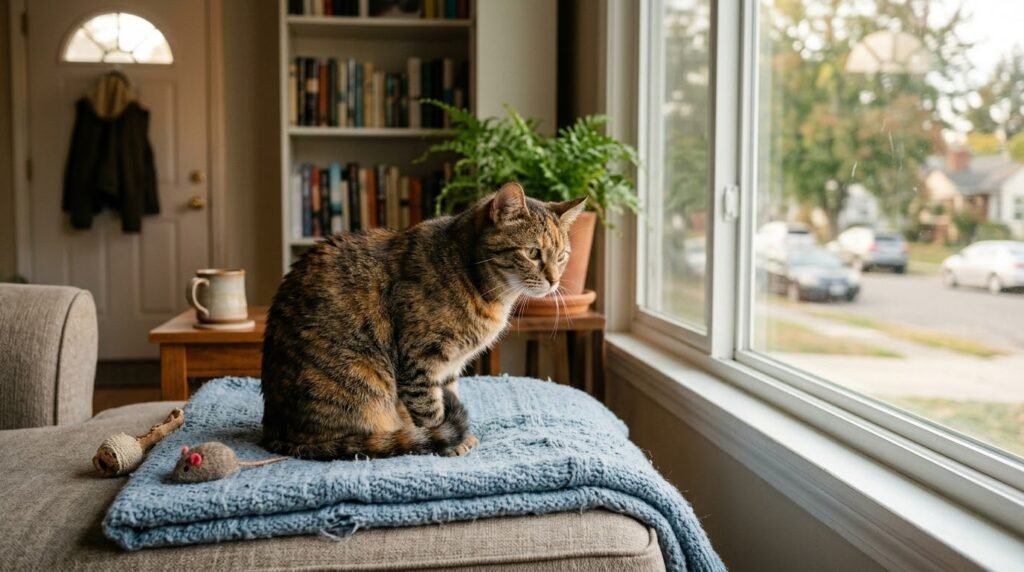
What Separation Anxiety in Cats Actually Looks Like
Because cats are naturally less demonstrative than dogs, separation anxiety in cats often shows up in ways owners don’t immediately connect to anxiety at all:
- Overgrooming, sometimes to the point of bald patches, particularly on the belly or legs
- Urinating or defecating outside the litter box specifically when left alone, despite otherwise good litter habits
- Vocalising — excessive meowing or yowling — that starts around the time you leave
- Vomiting or a noticeable drop in appetite only while you’re out, with normal eating once you’re home
- Becoming unusually clingy or following you from room to room when you are home
- Hiding more than usual, or seeming withdrawn after you return
If these show up specifically around your absence and settle once you’re back, that pattern points toward genuine separation anxiety in cats rather than an unrelated issue.Pin
What Causes Separation Anxiety in Cats
A few situations come up repeatedly. Kittens who were weaned too early or hand-raised without much interaction with other cats tend to be more prone to it. Only cats — those without a feline companion in the house — are statistically more likely to develop strong attachment to their one person, which can tip into anxiety when that person is gone for long stretches. Sudden routine changes, a house move, or a previously home-heavy schedule (extended time off, remote work) that shifts abruptly back to long hours alone can all trigger it, even in cats who never showed signs before.
Practical Ways to Ease Separation Anxiety in Cats
The good news is that most mild to moderate cases respond well to a few consistent changes.
- Give them a secure space to retreat to. Cats manage stress far better when they have somewhere enclosed and safe to settle into. Our Smart Cat Cave Bed taps directly into that instinct — the hooded design gives anxious cats a genuine sense of shelter that an open bed doesn’t offer.
- Keep them mentally occupied while you’re out. A lot of what looks like separation anxiety in cats is worsened by boredom stacked on top of it. The Homefish Smart Cat Toy with Motion Sensor keeps them engaged with unpredictable movement while you’re away, rather than leaving them with nothing to focus on but your absence.
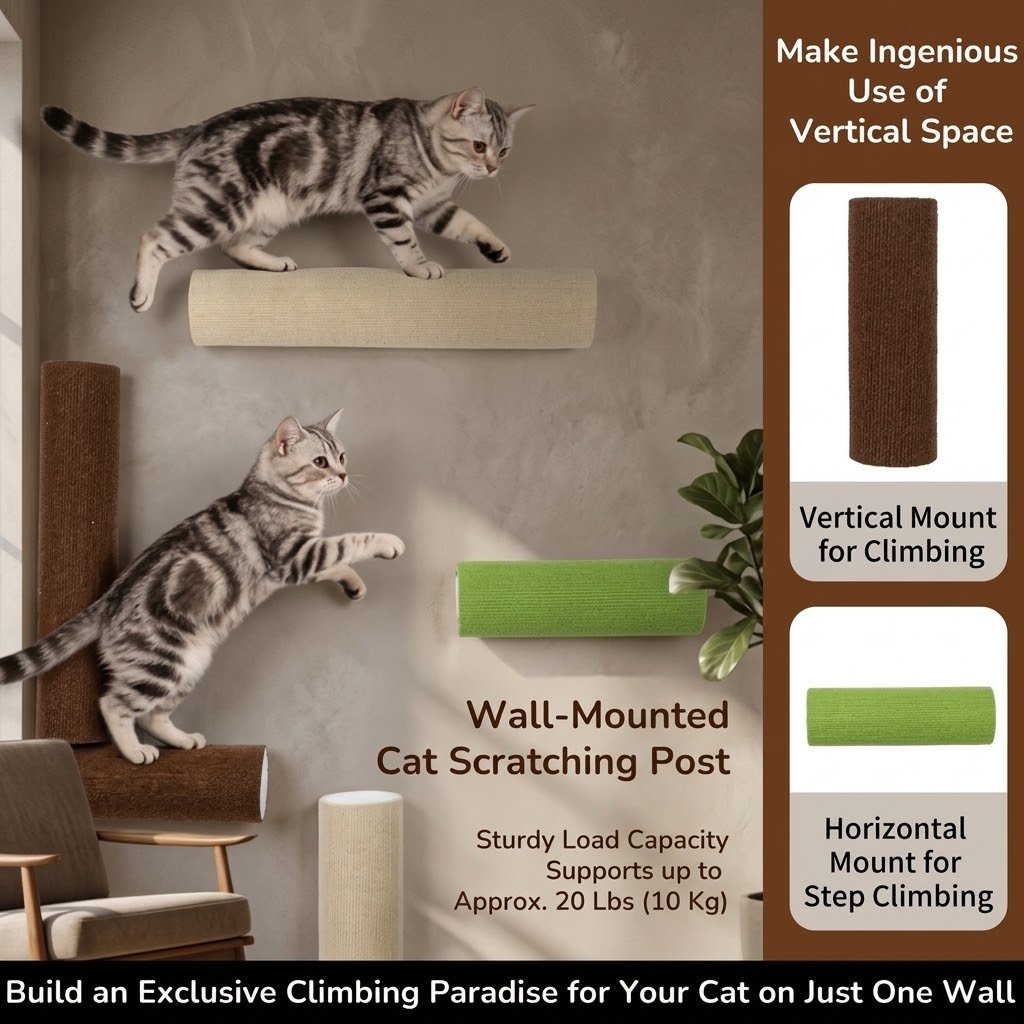
- Add vertical space and a scratching outlet. The Cat Climbing Cylinder and Scratcher gives anxious cats a physical outlet for stress and a raised vantage point, which a lot of cats find naturally calming.
- Keep departures and returns low-key. Similar to dogs, cats can pick up on — and start dreading — an overly emotional goodbye or a big excited hello. Calm and consistent works better than either extreme.
- Stick to a predictable daily routine. Consistent feeding and interaction times help reduce overall anxiety, since a lot of separation anxiety in cats is really about unpredictability rather than the alone time itself.
When to See a Vet
This is worth taking seriously: several of the signs above — inappropriate urination, overgrooming, vomiting, appetite changes — can also point to a medical issue rather than a behavioural one. A urinary tract infection, skin condition, or digestive issue can look identical to anxiety-driven behaviour from the outside. Before assuming it’s separation anxiety in cats, a vet visit to rule out an underlying medical cause is the right first step. If everything checks out physically and the behaviour continues, that’s when a vet or feline behaviourist can help build a proper plan.
Final Thoughts
Separation anxiety in cats is more common — and more manageable — than most owners expect once they know what to look for. Rule out medical causes first, then focus on security, mental stimulation, and a predictable routine, and most cats improve significantly over a few weeks. Mew Vora ships worldwide, so wherever you and your cat are working through this, the right comfort and enrichment essentials can reach you.
Shop cat beds, toys, and enrichment essentials at mewvora.com/products — quality cat and dog essentials, delivered worldwide.
This article is intended as general guidance and isn’t a substitute for advice from a vet, especially since several of these signs can also indicate a medical issue.