

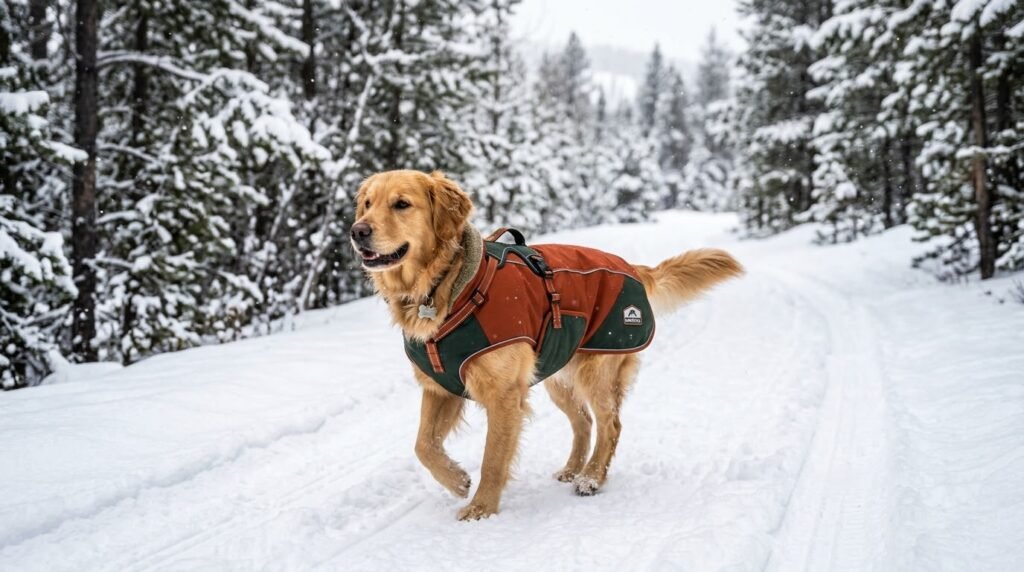
As soon as temperatures drop, plenty of owners either reach for a winter dog coat without a second thought, or skip one entirely because “dogs have fur.” Both are guesses, and both are often wrong. Whether a dog actually needs a winter dog coat comes down to breed, coat type, size, and age — not one blanket rule either way — and getting it wrong in either direction leaves a dog either genuinely cold or needlessly overheated.
The Mistake Most Owners Make: Assuming Every Dog Handles Cold the Same Way
The most common mistake with a winter dog coat isn’t buying the wrong style — it’s assuming one rule applies to every dog. A Siberian Husky with a thick double coat rarely needs one at all, while a Greyhound, Chihuahua, or senior dog with less body fat can struggle in the exact same weather that barely registers for a thicker-coated breed. Treating a winter dog coat as optional gear “for small dogs only,” or unnecessary because “dogs have fur,” both miss the factors that actually matter.Pin
Why Some Dogs Need a Winter Dog Coat and Others Don’t
A few real factors decide this, not just size:
- Coat type. Double-coated breeds (Huskies, Malamutes, Golden Retrievers) generate their own insulation. Single-coated or short-haired breeds (Greyhounds, Boxers, French Bulldogs) don’t.
- Body fat and muscle mass. Leaner dogs lose heat faster, regardless of coat length.
- Age. Puppies and senior dogs regulate temperature less efficiently than healthy adults.
- Size. Smaller dogs lose body heat faster relative to their size than larger dogs.
- Health conditions. Dogs with arthritis or circulation issues often feel cold more acutely.
Choosing the Right Winter Dog Coat
A few things separate a winter dog coat that actually helps from one that just looks warm:
Full chest and belly coverage. A lot of heat loss happens through a dog’s underside, so a coat that only covers the back misses the point.
Water resistance, not just warmth. A coat that soaks through in wet snow or rain gets cold fast and stays that way.
A secure, non-restrictive fit. It should stay in place without pinching at the legs or restricting a normal walking stride.
Easy on and off. Simple clip or velcro closures matter more than they sound like they would, especially with a dog who isn’t used to wearing one yet.
Cold Weather Walk Safety
A winter dog coat solves body temperature, but it isn’t the only thing that matters on a cold walk. Shorter daylight hours mean more walks happen in low light, so visibility is worth thinking about separately. Our Dog Cooling Vest Reflective Mesh Summer Harness earns its keep here too — the reflective mesh detailing works just as well for visibility on a dark winter evening as it does on a summer one. Beyond visibility, check paws regularly for ice buildup between the pads, and keep in mind that road salt can irritate skin and is toxic if licked off in any real amount.
Signs Your Dog Is Still Cold, Coat or Not
- Shivering, even with a coat on
- Tucking the tail low or lifting a paw off the ground
- Reluctance to keep walking, or repeatedly trying to turn back
- Seeking out any available shelter mid-walk
Any of these mean it’s time to head inside, regardless of what the coat is rated for.
Keeping Things Cozy Once You’re Back Inside
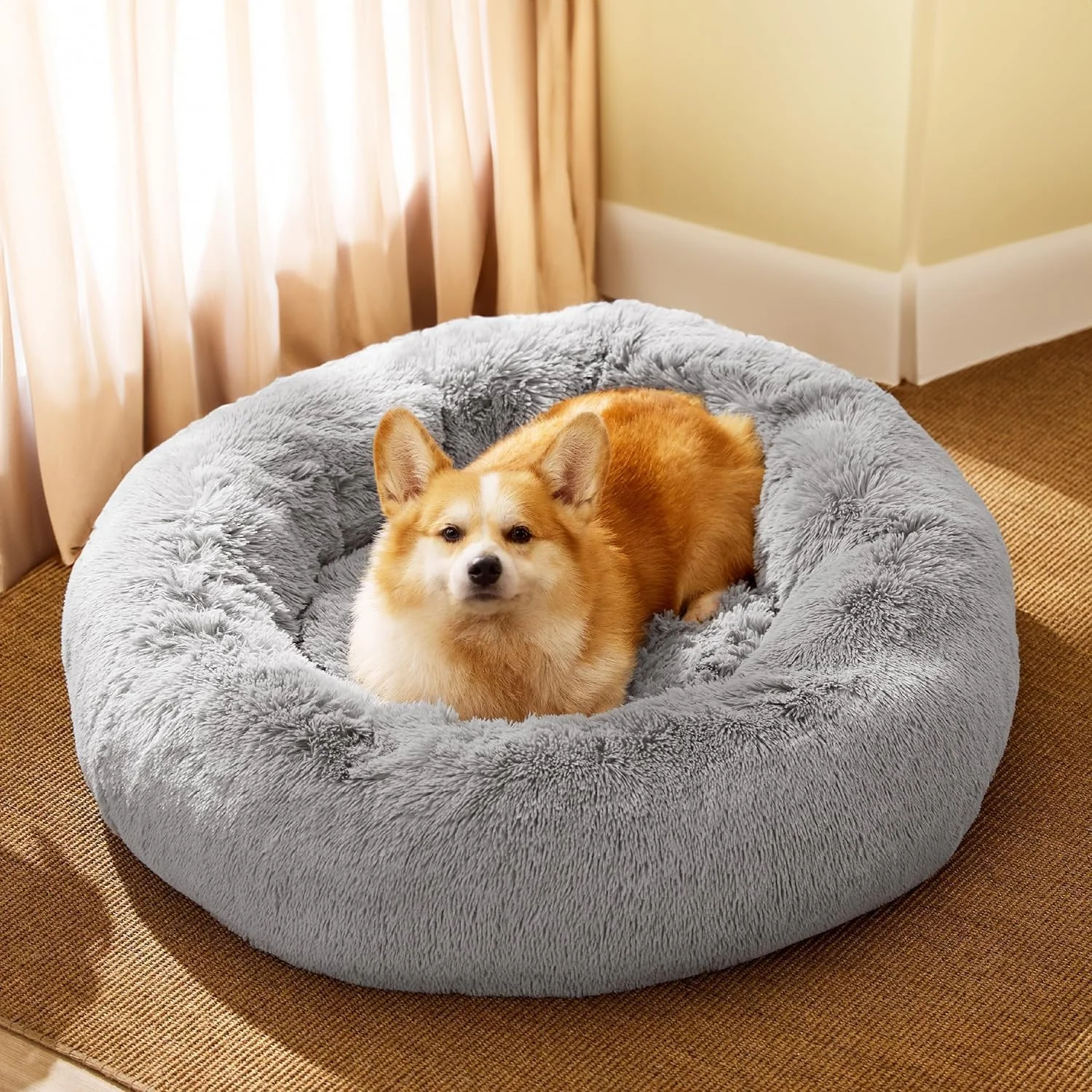
Warming back up afterward matters just as much as staying warm outside. Our Donut Dog Bed, Fluffy Plush Round Cat Bed gives dogs a soft, raised-rim spot to settle into after a cold walk, which helps them warm back up faster than a flat mat or the bare floor does. Placing the bed away from drafts and cold flooring makes a bigger difference through winter than most owners expect, and it’s worth pairing with the coat itself rather than treating the two as separate purchases.
Post-Walk Coat Care
Winter walks bring back more than a tired dog — road salt, grit, and melted ice residue all end up worked into the coat and around the paws, sometimes underneath the coat itself. Our Electric Pet Grooming Brush makes quick, regular brushing easier through a wet or muddy coat, and for pulling the finer grit out of a double coat, our Stainless Steel Pet Hair Removal Brush reaches deeper without irritating the skin underneath. A quick brush-down after every walk keeps whatever’s underneath a winter dog coat in noticeably better shape through the season, and the same Electric Pet Grooming Brush works just as well drying and detangling a damp coat once you’re back inside.
The Bottom Line
A winter dog coat only works as part of a bigger picture — the right coat for your dog’s actual coat type and size, visibility on darker walks with something like our Dog Cooling Vest, a warm Donut Dog Bed to settle back into once you’re home, and a quick pass with a grooming brush like our Stainless Steel Pet Hair Removal Brush to deal with whatever the walk left behind. Get those right, and a winter dog coat stops being a guess and starts actually doing its job, wherever winter happens to find you and your dog.