

If you share your home with a cat or dog, you already know the drill. You put on a fresh black jumper, sit down for two minutes, and stand up looking like you’re wearing a fur coat. Pet hair gets everywhere — the sofa, your car seat, your bed, your work clothes. Sometimes it feels like a full-time job just keeping on top of it.
The good news? It doesn’t have to be.
The right pet hair remover doesn’t just tidy up the mess — it deals with the problem at the source, right there on your pet’s coat, before the hair even has a chance to fall. In this guide, we’re breaking down everything you need to know: why pets shed so much, what to look for in a remover, and which tool is actually worth your money.
Why Do Cats and Dogs Shed So Much?
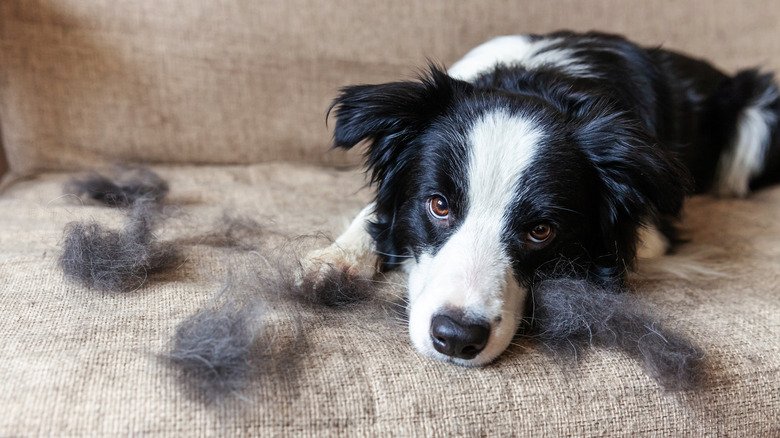
Before we get into solutions, it helps to understand what’s actually going on. Shedding is completely natural. Both cats and dogs go through regular coat cycles, where old or dead hair is pushed out to make way for new growth. The amount varies hugely depending on breed, season, age, diet, and health.
Some breeds — Huskies, German Shepherds, Maine Coons, British Shorthairs — shed heavily all year round. Others have shorter, tighter coats and shed far less. But even low-shedding breeds drop some hair, and over time that builds up in carpets, on furniture, and in the air.
Seasonal shedding also spikes dramatically. Spring and autumn are the worst culprits, as pets blow their coats to adjust for temperature changes. During these periods, even a light shedder can feel like they’re leaving a trail of fluff behind them wherever they go.
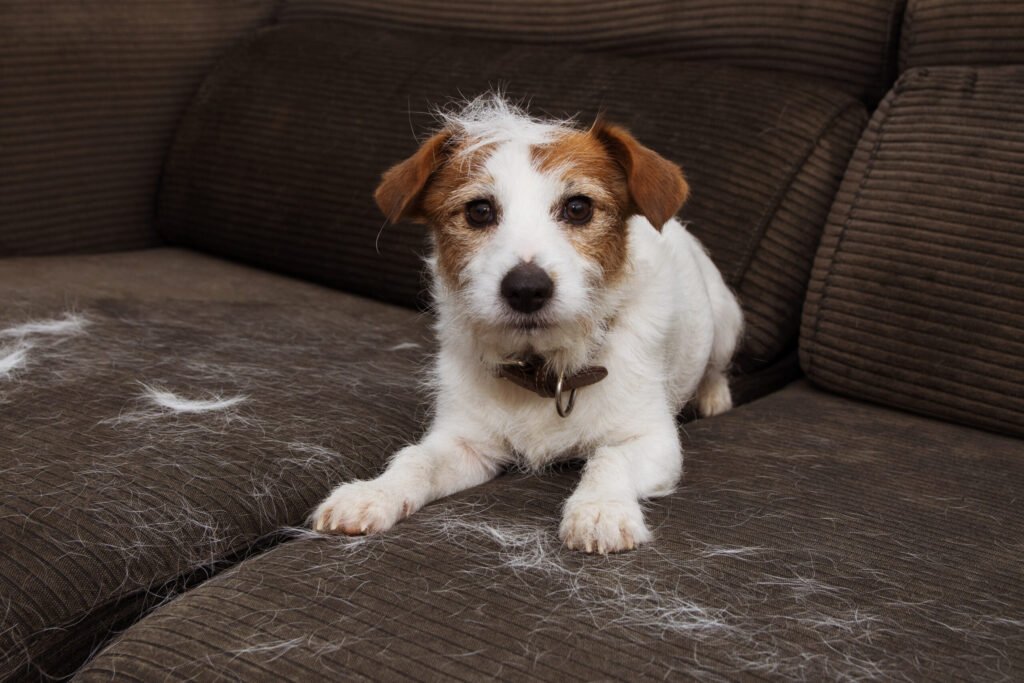
The problem isn’t just cosmetic either. Excess loose hair that isn’t removed can mat and tangle into the undercoat, causing discomfort and skin irritation for your pet. Regular grooming with the right tool isn’t just about your sofa — it’s genuinely part of caring for your animal.
What to Look For in a Pet Hair Remover
Not all pet hair removal tools are created equal. Walk into any pet shop or scroll through Amazon and you’ll find everything from sticky lint rollers to rubber gloves to elaborate electric gadgets. They’re not all useful.
Here’s what actually matters when choosing a pet hair remover:
Dual-sided functionality. The best grooming brushes do two jobs at once: one side removes mats and tangles from the coat, and the other side targets loose, shedding hair in the undercoat. This saves time and is far more effective than single-sided tools that only skim the surface.
Blade quality. Cheap plastic teeth bend, snag, and can scratch your pet’s skin. Stainless steel blades glide through the coat cleanly, cutting through knots without dragging. If you’re going to invest in one grooming tool, the material of the teeth matters more than almost anything else.
Handle design. You’re going to be holding this for several minutes at a time, often while your pet is wriggling around. An ergonomic, non-slip handle makes the whole process easier and safer — you’re less likely to slip and nick the skin, and your hand won’t cramp up halfway through.
Easy clean. Fur has a habit of packing tightly into grooming tools, and if you can’t clear it out quickly, you’ll spend more time cleaning the brush than using it. The best tools release collected fur instantly, so you can work efficiently.
Suitable for your pet’s coat type. Some tools are designed for short, smooth coats. Others work best on thick double coats. Ideally, you want something that works across coat types — especially if you have more than one pet.
The Tool We Recommend: Mew Vora Stainless Steel Pet Hair Removal Brush
We’re going to be straight with you. There are a lot of pet hair removers out there, and most of them do a decent job. But if you want one tool that genuinely tackles both the mess on your furniture and the source of it — your pet’s coat — the Mew Vora Stainless Steel Pet Hair Removal Brush is the one we’d put in your hands.
Here’s why it stands out.
It’s a 2-in-1 Dematting and Deshedding Brush
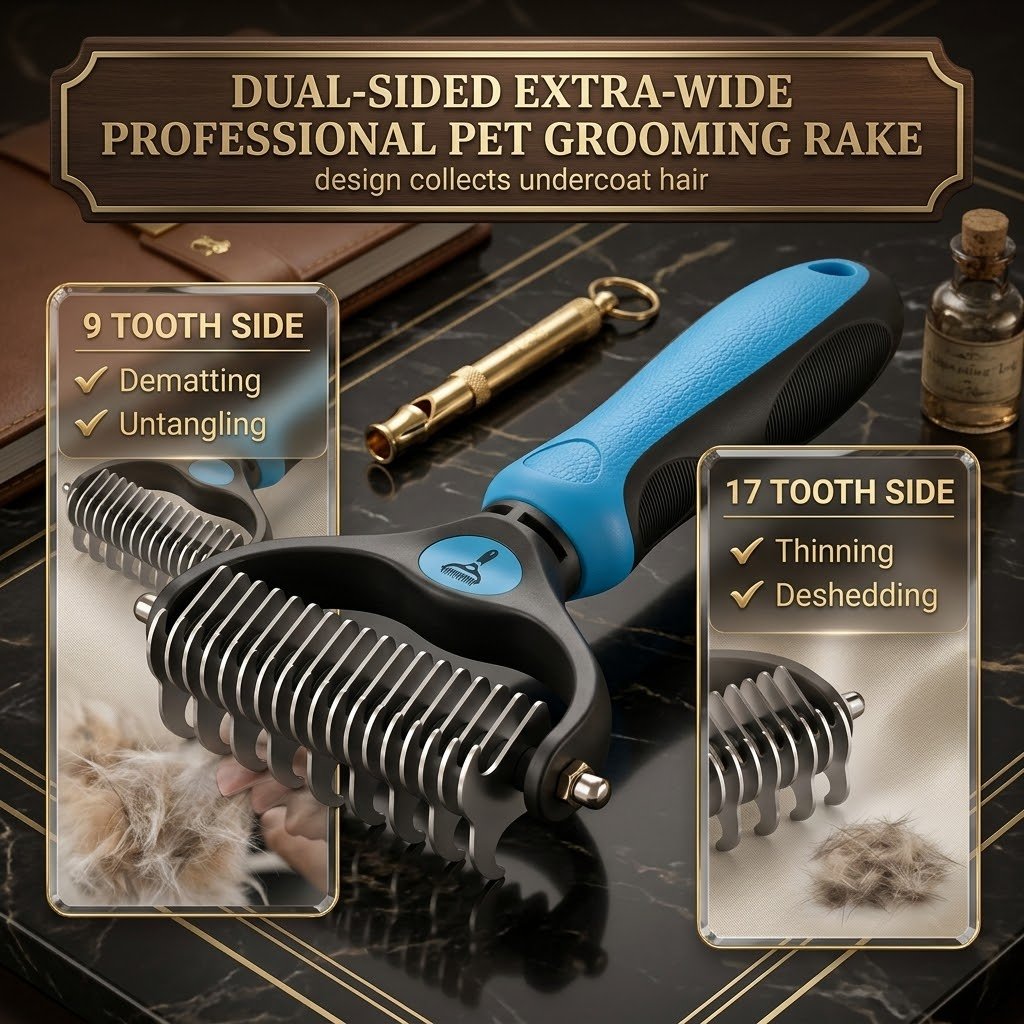
Most brushes do one thing. This one does two. The 9-tooth side is designed for dematting — working through stubborn knots and tangles that have built up close to the skin. The 17-tooth side is your deshedding tool, designed to reach into the undercoat and pull out the loose, dead hair that would otherwise end up on your floor.
The result is a much more thorough groom in a single session, without needing to swap between multiple tools.
Stainless Steel Blades That Are Gentle on Skin
The blades are sharp enough to glide through dense, matted fur — but shaped and angled in a way that means they don’t dig into the skin. That’s a balance that’s surprisingly hard to get right, and a lot of cheaper brushes get it wrong. With the Mew Vora brush, you get professional-grade cutting performance without the risk of irritating your pet.
Reduces Shedding by Up to 95%
This is the headline claim, and it’s a big one. Used regularly, this brush can reduce the amount of loose hair your pet sheds around your home by up to 95%. That means dramatically less fur on your sofa, your clothes, and your floors. It doesn’t stop shedding entirely — nothing can — but it means the hair ends up in the bin instead of on your upholstery.
Works on Dogs and Cats
Whether you’ve got a long-haired Persian, a double-coated Labrador, a short-haired tabby, or a fluffy Pomeranian, this brush is designed to work across coat types and sizes. It comes in two sizes — small and large — so you can choose the right fit for your pet.
Ergonomic Non-Slip Handle
The handle is designed to stay comfortable and secure in your hand throughout a full grooming session. If you’ve ever tried to brush a cat that’s decided they’re done and started squirming, you’ll know how important it is to have a firm, confident grip on the tool.
Easy to Clean
Fur releases instantly from the blade, which means no spending five minutes picking hair out of the brush after every use. A quick wipe and it’s ready to go again.
Priced From Just £24.99
Professional grooming sessions can cost anywhere from £30 to £80 depending on your pet’s size and coat. This brush pays for itself in a single use. It’s available in pink or blue, and you can grab it directly from Mew Vora with free uk shipping.
How to Use a Pet Hair Removal Brush Properly
Even the best brush won’t do much good if you’re using it wrong. Here are a few simple tips to get the most out of every grooming session:
Start with the dematting side first. Before you try to remove loose hair, you need to get the coat detangled. Work through any knots gently with the 9-tooth side, starting at the tips of the fur and working your way towards the skin — never the other way around, which pulls and hurts. Pinterest
Follow the direction of hair growth. Always brush with the grain, not against it. Brushing against the direction of growth is uncomfortable for your pet and doesn’t remove hair as effectively.
Use light, confident strokes. You don’t need to press hard. Let the blade do the work. Long, smooth strokes cover more ground and feel better for your pet than short, scratchy ones.
Do it regularly. A 10-minute brush twice a week will do far more than a long session once a month. Regular grooming prevents mats from forming in the first place, which means the dematting side becomes quicker to use each time.
Make it a positive experience. Especially with cats, grooming can take some getting used to. Start with short sessions and reward your pet afterwards. Over time, most animals come to enjoy it — or at least tolerate it.
Pet Hair on Furniture: What Actually Works?
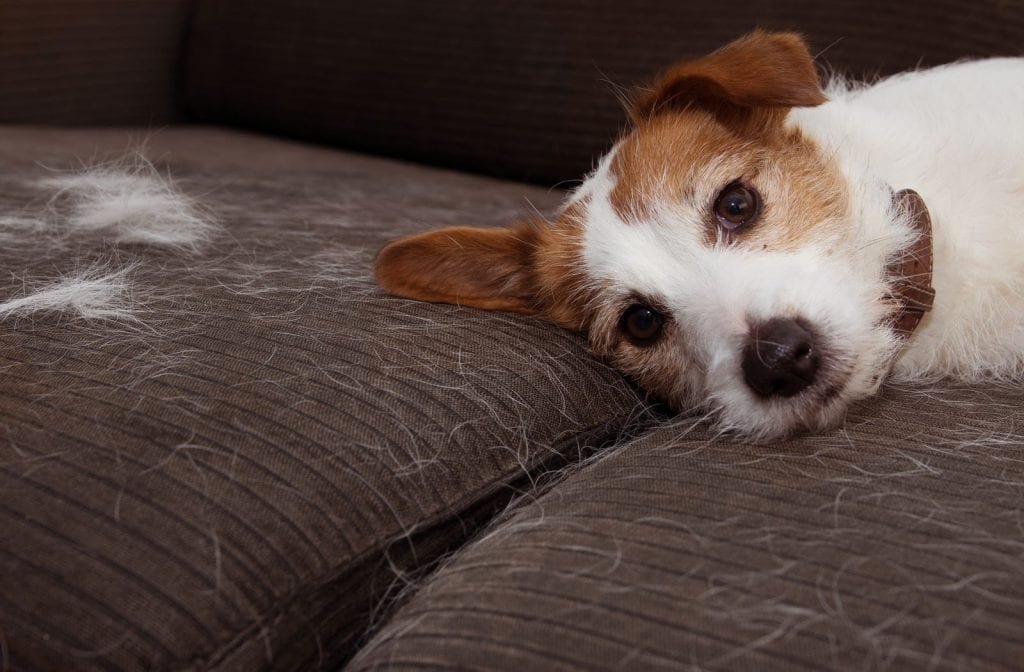
Even with regular brushing, some hair is going to make it onto your furniture. Here’s what actually works for dealing with it:
Rubber gloves. Damp rubber gloves dragged across a sofa cushion pick up pet hair surprisingly well. Not glamorous, but effective.
Lint rollers. Good for clothes, less practical for large surface areas like sofas and car seats.
Damp sponge. Wipe a slightly damp sponge across fabric surfaces and the hair clumps together for easy removal.
Microfibre cloths. The fibres grab onto pet hair in a way that regular cloths don’t. Reusable and cheap.
The truth is, though, all of these are reactive. They deal with the hair after it’s already shed. The Mew Vora deshedding brush is the proactive solution — remove the hair from your pet before it reaches your sofa at all.
How Often Should You Groom Your Pet?
It depends on the coat type:
- Short-haired cats and dogs: Once a week is usually enough to keep shedding under control.
- Medium-length coats: Two to three times a week, especially during spring and autumn.
- Long-haired or double-coated breeds: Daily grooming during heavy shedding seasons; every other day at minimum year-round.
If you’re unsure, start with twice a week and see how much loose fur you’re collecting each session. If it’s a lot, increase the frequency. If it’s barely anything, you can relax a little.
-
Stainless Steel Pet Hair Removal Brush
Price range: £24.99 through £29.99
Final Thoughts
Pet hair is one of those things you just accept when you decide to share your home with an animal. But that doesn’t mean you have to live underneath a permanent layer of fur. With the right pet hair remover, regular grooming becomes quick, easy, and genuinely effective — for your pet’s coat health and for the state of your home.
The Mew Vora Stainless Steel Pet Hair Removal Brush ticks every box: professional-grade blades, dual-sided functionality, comfortable handle, easy to clean, and kind on your pet’s skin. It’s the kind of tool that, once you start using it, you wonder how you managed without it.
Your sofa has suffered enough. Give it — and your pet — a break.
👉 Shop the Mew Vora Pet Hair Removal Brush from £24.99 →
At Mew Vora, we believe every pet deserves the best. From grooming essentials to cosy beds and interactive toys, we’ve got everything your cat or dog needs to live their happiest life. Free uk shipping on all orders.