

If you share your home with a cat or dog, you already know the struggle. It starts innocently enough — a few strands on the couch, a little fluff on your work pants, some wisps floating across the kitchen floor. Before long, your black leggings are basically a fur coat and your couch could double as a petting zoo. Pet hair removal is one of those things no one warns you about when you bring home your furry best friend, but every pet owner figures out quickly: you need a plan.
This guide is here to give you that plan. Whether you’re dealing with a long-haired Maine Coon that sheds like it’s auditioning for a snowstorm, or a short-coated Labrador leaving little needles of fur in every upholstery cushion you own, there are real, effective ways to manage it. Let’s break it all down.
Why Pets Shed So Much (And Why It’s Normal)
Before diving into solutions, it helps to understand the problem. Shedding is completely natural for most cats and dogs. It’s how their bodies regulate temperature, get rid of old or damaged fur, and adapt to seasonal changes. Most pets go through two major shedding seasons — spring and fall — but some breeds shed year-round at a pretty consistent rate.
Factors that affect shedding include breed, age, diet, health, and stress levels. A cat that’s stressed or a dog with nutritional deficiencies will often shed more than a healthy, relaxed animal. So while you can’t stop shedding entirely, keeping your pet in good health goes a long way toward managing how much fur ends up on your furniture.
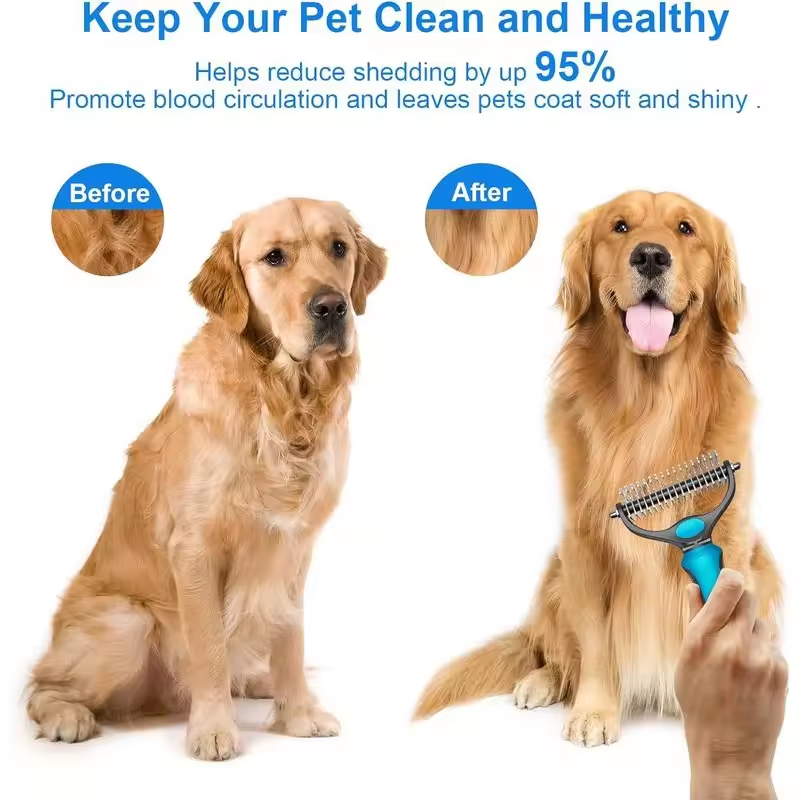
Start at the Source: Grooming Your Pet Regularly
The single most effective thing you can do to reduce pet hair around your home is to brush your pet consistently. This feels obvious, but a lot of owners underestimate just how much difference a regular grooming routine makes. Instagram
When you brush your pet, you’re capturing loose fur before it has the chance to float off onto your sofa, your clothes, or your dinner plate. For heavy shedders, daily brushing during peak seasons is ideal. For lighter shedders, a few times a week is usually enough.
Choosing the right brush matters. A slicker brush works well for most cats and dogs, getting into the undercoat where loose fur likes to hide. De-shedding tools, like the Furminator-style combs, are particularly effective for thick double coats. For short-haired pets, a rubber grooming glove can be surprisingly effective and many animals enjoy the sensation — it feels like a massage to them.
Bathing your pet regularly also helps. A good bath loosens dead fur, making it easier to brush out afterward. Just make sure you’re using a pet-appropriate shampoo and drying them properly so you don’t end up with a damp smell hanging around the house.
Tackling Pet Hair on Furniture
Your couch and chairs are usually ground zero for pet hair accumulation. Here’s what actually works:
Lint rollers are the classic go-to, and for good reason. They pick up hair quickly and require zero setup. The downside is that they’re disposable and you’ll go through them fast if your pet is a heavy shedder.
Rubber gloves are a surprisingly powerful tool that many pet owners swear by. Run a damp rubber glove over upholstery and the friction pulls the fur right off. It clumps together nicely for easy removal. This works especially well on velvet, microfiber, and other textured fabrics.
Fabric pet hair removers with self-cleaning chambers are popular because they’re reusable and work in a single direction — you slide them across the fabric and fur is collected in a chamber you empty out. These are worth the investment.
Furniture covers and throws take a more preventive approach. Place washable covers on your pet’s favorite spots and toss them in the laundry regularly. It’s easier than trying to deep-clean your whole couch every week.
One thing worth knowing: certain fabrics attract pet hair more than others. Velvet, fleece, and chenille are notorious for holding onto fur like it’s been invited to stay. If you’re redecorating and have pets, leather or tightly woven fabrics are much easier to clean.
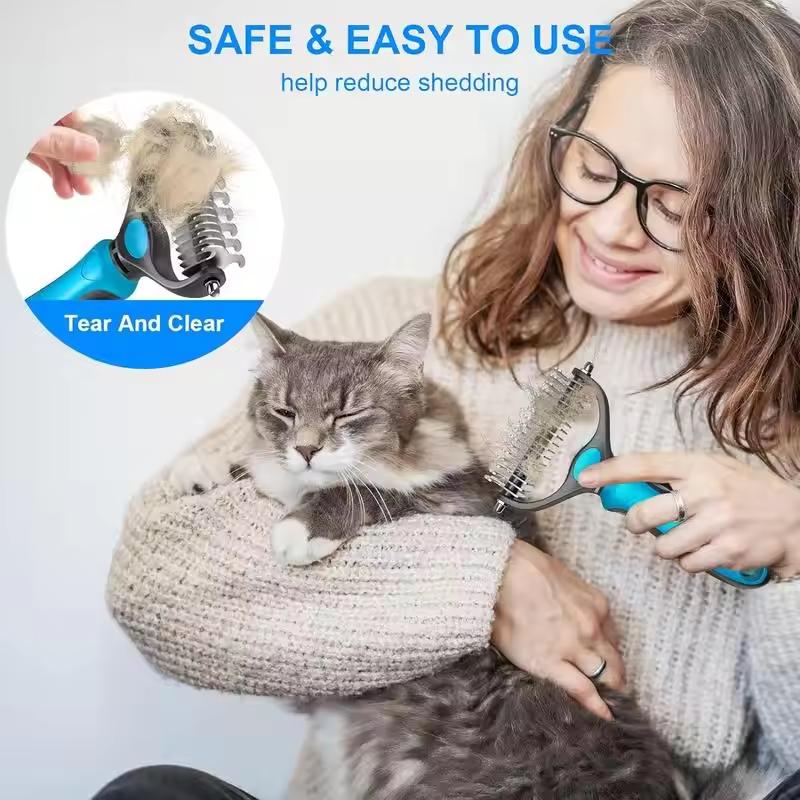
Getting Pet Hair Out of Clothing
Nothing undermines a professional outfit quite like arriving somewhere with a coat of cat hair. Clothing is one of the trickiest surfaces to deal with because fur embeds into fabric fibers.
A good lint roller lives in every room, by the front door, and probably in your car if you’re a committed pet owner. But when you’re fresh out, a slightly damp cloth or even a strip of packing tape can work in a pinch.
For laundry, add a half cup of white vinegar to the rinse cycle — it helps relax fibers so hair releases more easily. Before putting clothes in the washer, toss them in the dryer on low heat for about ten minutes first. This loosens hair so it ends up in the lint trap rather than clogging your washing machine.
Dryer balls are also useful. They agitate clothing as they dry, helping dislodge embedded fur. Wool dryer balls work particularly well.
If you’re wearing dark clothing around light-furred pets (or vice versa), spraying a little anti-static spray on your outfit can reduce how much fur clings to you in the first place.
Vacuuming Strategies for Pet Owners
Not all vacuums handle pet hair equally. If you’re still using a standard household vacuum and wondering why it’s not cutting it, you’re not imagining things — pet hair can tangle around brush rolls, clog filters, and generally overwhelm vacuums that weren’t built for it.
Look for vacuums specifically designed for pet hair. These typically feature tangle-resistant brush rolls, stronger suction, and HEPA filtration to catch allergens along with the fur. Robot vacuums can be a game changer for maintenance cleaning — setting one to run daily means you’re never dealing with a massive buildup.
When vacuuming upholstery, use the appropriate attachment and go slowly. The faster you move, the less suction has time to pull hair out of the fabric. For carpets, go over each area at least twice — once in each direction.
Pet Hair in the Car
Cars collect pet hair in ways that can feel genuinely impossible to fix. The carpet fibers grip it, the seats hold it, and the ventilation system sends it everywhere. A few strategies that work: use seat covers specifically designed for pets, keep a lint roller in the glovebox, and invest in a handheld vacuum for quick touch-ups. Balloons rubbed lightly over car upholstery create static that pulls up embedded fur — it sounds strange, but it genuinely works.
Air Quality and Pet Hair
Fine pet hair and dander float through the air before they settle on surfaces, which is why maintaining good air quality matters. Running an air purifier with a HEPA filter captures airborne particles and makes a noticeable difference, especially for allergy sufferers. Change your HVAC filters regularly — more often than the manufacturer recommends if you have multiple pets — and vacuum vents and registers to prevent them from recirculating hair throughout the house.
Building a Routine That Actually Sticks
The real secret to managing pet hair isn’t any single tool or trick — it’s consistency. A quick daily sweep with a lint roller, brushing your pet three to four times a week, vacuuming twice a week, and washing pet-favorite furniture covers every week or two adds up to a home that never feels overwhelmed by fur.
It doesn’t have to be a big production. Keeping tools where you need them — a lint roller on the coffee table, a brush near the couch where you groom your cat, a handheld vacuum charged and ready — makes it easy to deal with hair in the moment rather than letting it pile up.
-
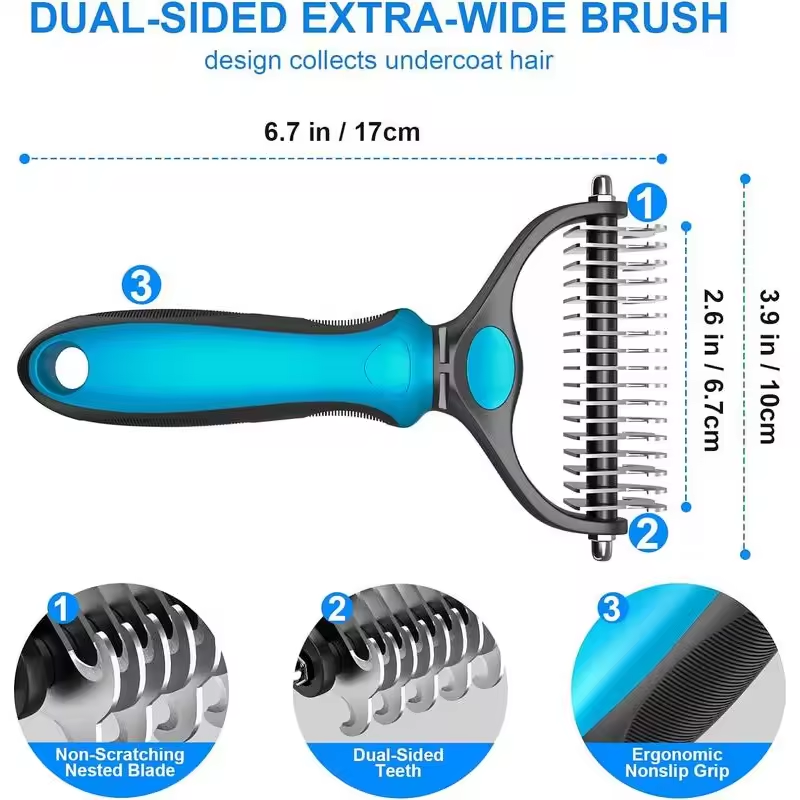
Stainless Steel Pet Hair Removal Brush
Price range: £24.99 through £29.99

Final Thoughts
Living with pets means living with some amount of pet hair, and honestly, most of us wouldn’t trade it. The fur on the couch is proof that something wonderful lives there. But that doesn’t mean you have to be overrun by it.
With the right grooming routine, the right tools for each surface, and a little consistency, pet hair goes from an overwhelming nuisance to something totally manageable. Your home can be both a haven for your pets and a place that looks and feels clean — and you deserve both.
For more pet care tips, product recommendations, and everything you need to keep life with your furry family running smoothly, keep browsing Mewvora.com.